Leave A Message
If you are interested in our products and want to know more details,please leave a message here,we will reply you as soon as we can.

FAQ
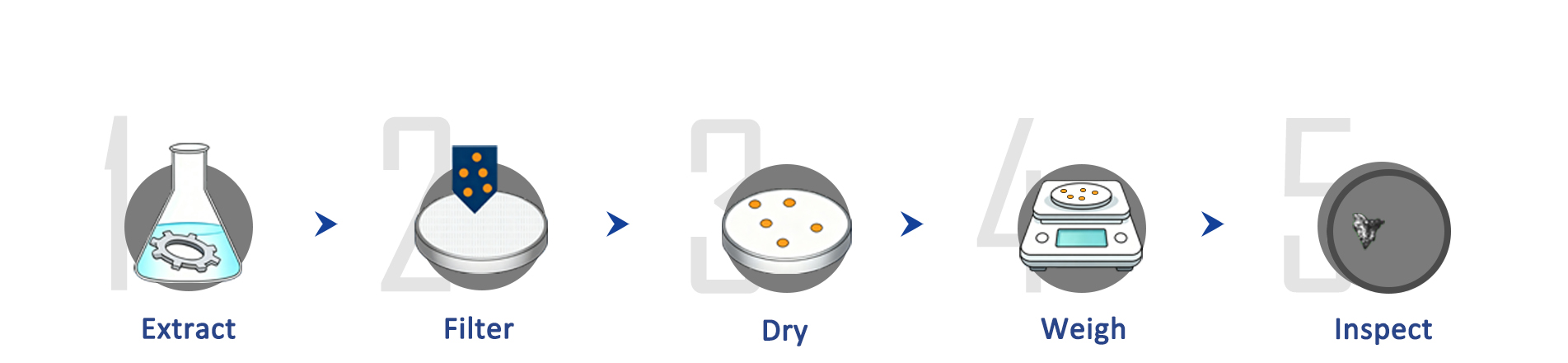
Technical cleanliness is an important aspect of component manufacturing. It refers to the avoidance or removal of contaminants such as dust, fibers, oil, or metal shavings. Various testing methods are used to ensure components meet technical cleanliness requirements. For example, particle analysis (also known as residual contaminant analysis) is a commonly used method. These methods can detect and quantify contaminants.
One of the main purposes of technical cleanliness is to ensure the functionality of components and systems. By removing contaminants such as dust, dirt, or metal particles, components can be ensured to operate smoothly and without damage from impurities. Furthermore, technical cleanliness protects components and systems from corrosion and other types of damage, thus extending their service life. Another important reason for technical cleanliness is safety. Especially in the automotive and aerospace industries, components must be contaminant-free to ensure reliable and safe operation. By adhering to technical cleanliness standards, manufacturers can ensure their products meet the highest safety standards.
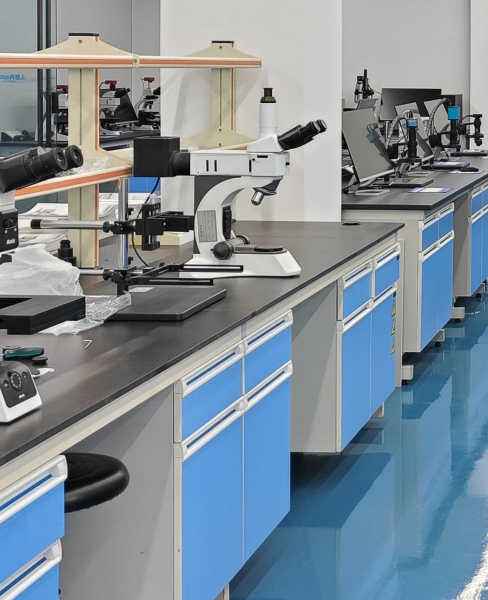
The answer for this question depends on several factors. If you are in the automotive or aerospace industry, or manufacture other products with extremely high technical cleanliness requirements, having your own testing lab will be highly beneficial. In this scenario, you can ensure that your product meets relevant standards and is free of contaminants that could cause problems. However, establishing and maintaining your own testing laboratory can be extremely costly. It requires specialized equipment and highly trained personnel to conduct tests and interpret the results. In many cases, partnering with an external laboratory specializing in technical cleanliness testing may be more practical. It is important to carefully assess whether your own testing laboratory can meet your needs or whether partnering with an external laboratory is the better option. A comprehensive cost-benefit analysis can help you make the right decision. If you decide to partner with an external laboratory, ensure that the laboratory is certified and has the necessary experience and expertise to meet your specific requirements.
Technical cleanliness plays a critical role in the automotive industry because even the smallest particles and contaminants can cause serious problems. For example, clogged fuel lines or sensor malfunctions can lead to vehicle failure or even breakdowns. To avoid these problems, the automotive industry places particular emphasis on technical cleanliness. This includes removing contaminants from all components and keeping components as clean as possible during the production process. To achieve this, the automotive industry employs specialized cleaning processes and technologies for highly effective cleaning. Furthermore, employees receive training and awareness enhancement to ensure the cleanest work methods are adopted. These measures not only improve vehicle quality and reliability but also ensure passenger safety. Furthermore, technical cleanliness reduces waste and pollutant generation through effective cleaning and contaminant avoidance, thus contributing to environmental protection. In short, technical cleanliness in the automotive industry is a crucial factor in improving vehicle quality and safety as well as promoting environmental protection. Therefore, to meet high customer demands and expectations, the automotive industry will continue to prioritize technical cleanliness in the future.
Technical cleanliness is critical in the medical technology field, directly impacting the safety of patients and healthcare professionals. Adhering to specific cleanliness requirements reduces the risk of infection and other complications. Compliance with technical cleanliness is also essential for meeting relevant regulations and standards in the medical technology field. Compliance with these regulations is a prerequisite for obtaining approval for medical devices and instruments, ensuring their safety and effectiveness. Moreover, technical cleanliness also affects the lifespan of medical devices and instruments. In conclusion, technical cleanliness is an indispensable part of the medical technology field, playing a vital role in the safety and effectiveness of medical care. Therefore, companies in the medical technology field should ensure that all necessary measures are taken to guarantee technical cleanliness, thereby protecting the safety of patients and healthcare professionals.
Technical cleanliness is a critical factor in aerospace engineering. The cleanliness of components and systems directly impacts their performance and reliability. Contaminants such as dust, dirt, fibers, or particles can lead to malfunctions or even component failure. Technical cleanliness is particularly important in the aerospace field. In aerospace, components and systems must operate under extreme conditions such as vacuum, temperature fluctuations, and radiation. Contaminants not only cause malfunctions but also degrade material quality. To minimize these risks, aerospace engineering has developed stringent technical cleanliness guidelines and standards, including cleaning procedures, packaging regulations, and control measures.



 IPv6 network supported
Leave A Message
Scan to Wechat :

Scan to Whatsapp :

 English
 Français
 Русский
 Español
 Português
 عربي
عربي Get A Quote