Leave A Message
If you are interested in our products and want to know more details,please leave a message here,we will reply you as soon as we can.

VDA19.1 & ISO16232 Technical Cleanliness Inspection Solution
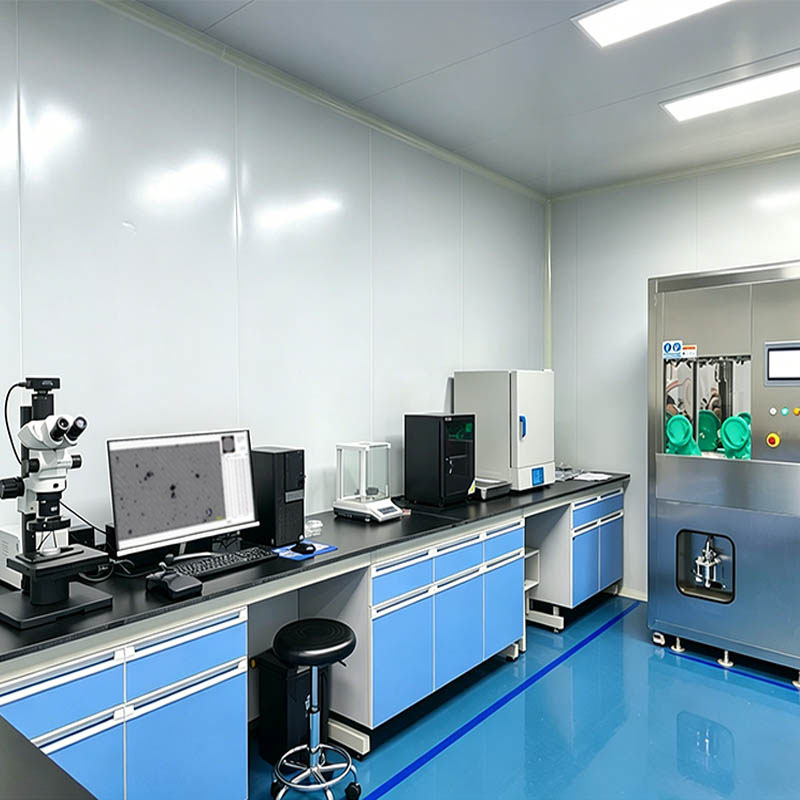
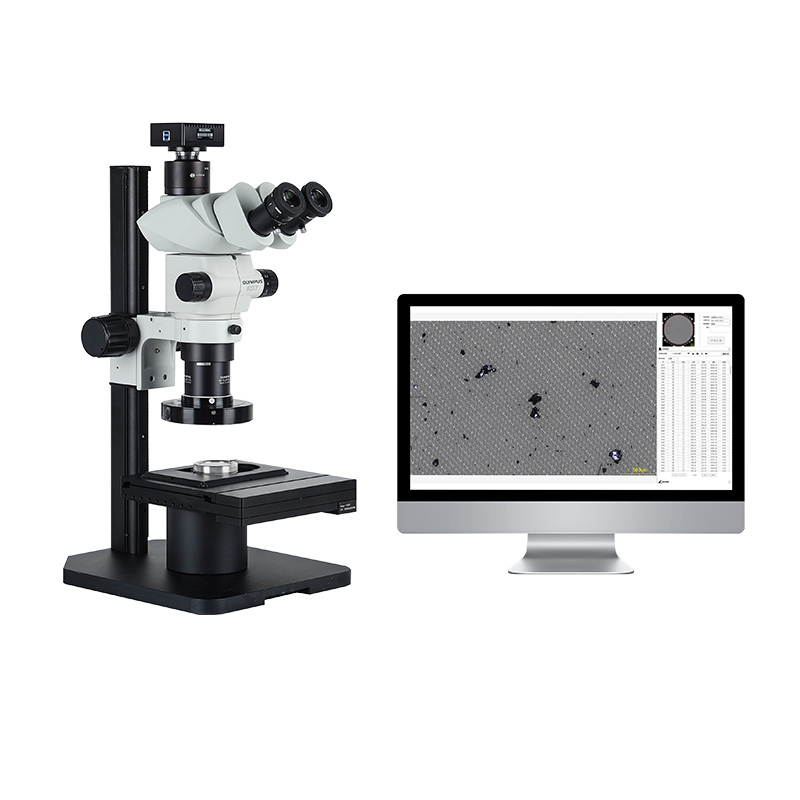
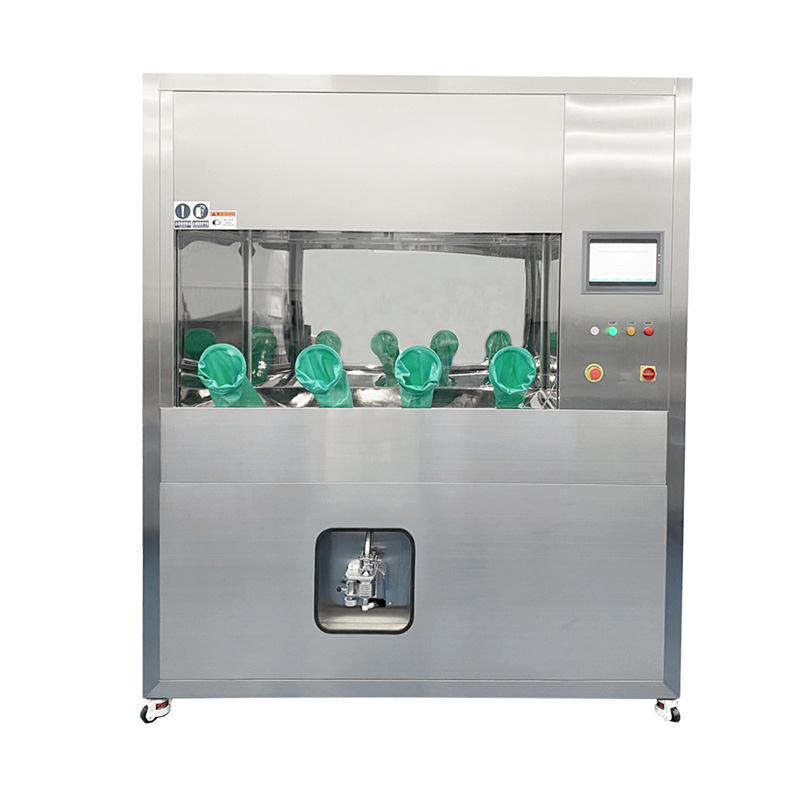
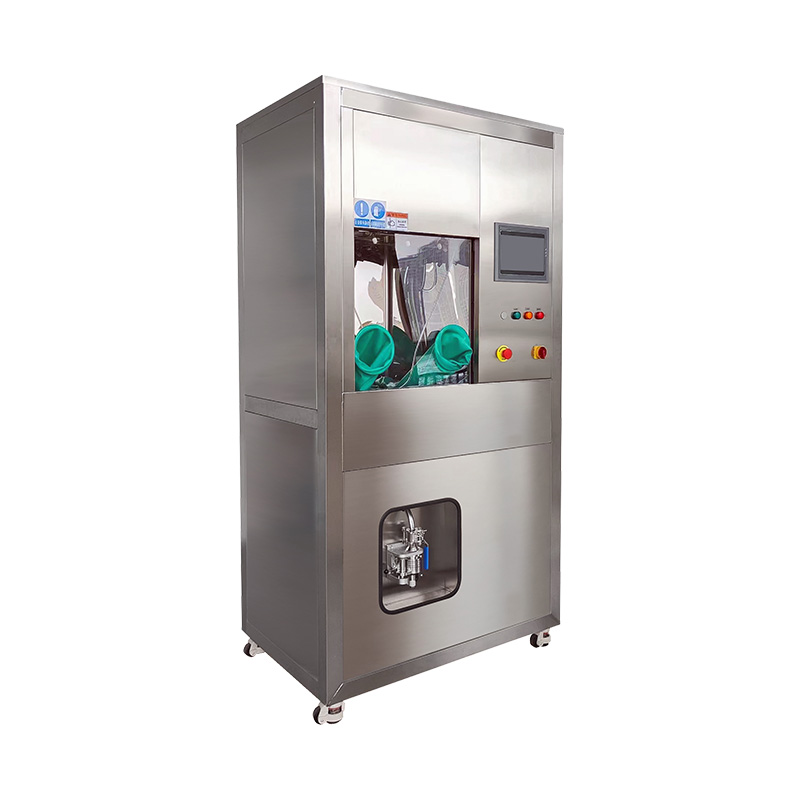
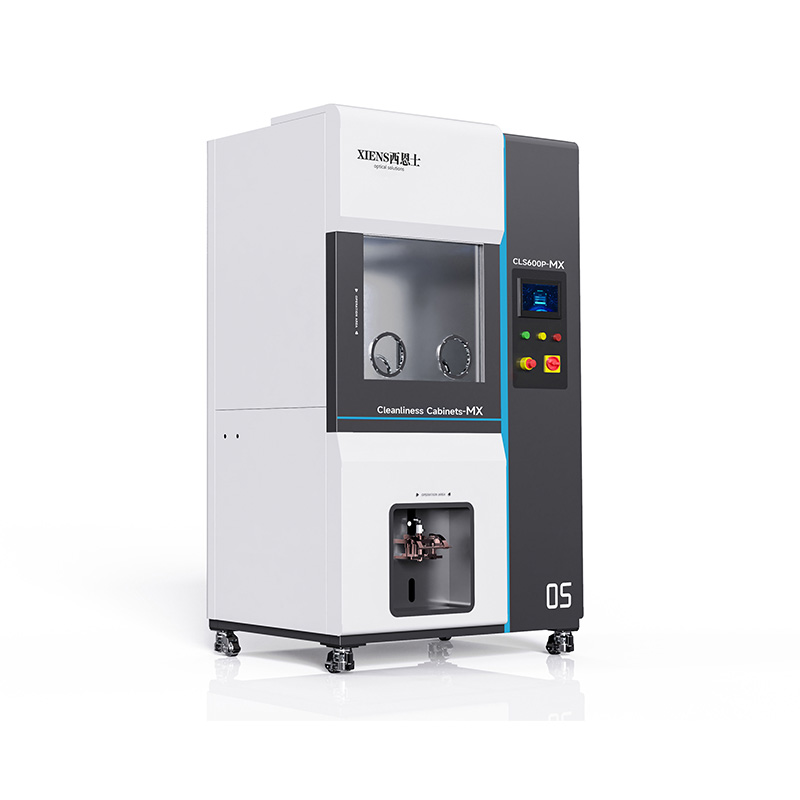
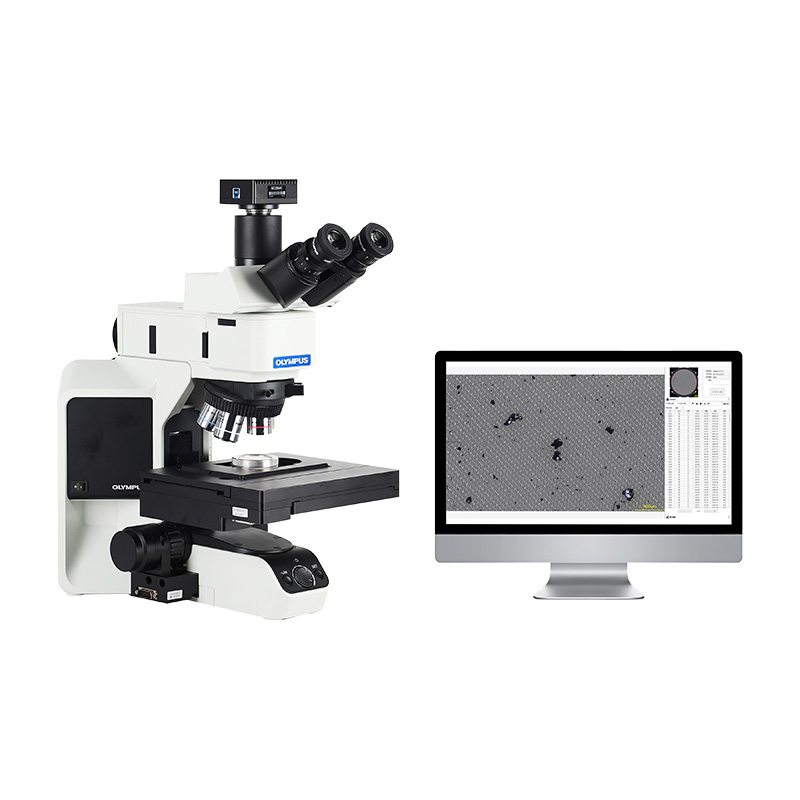
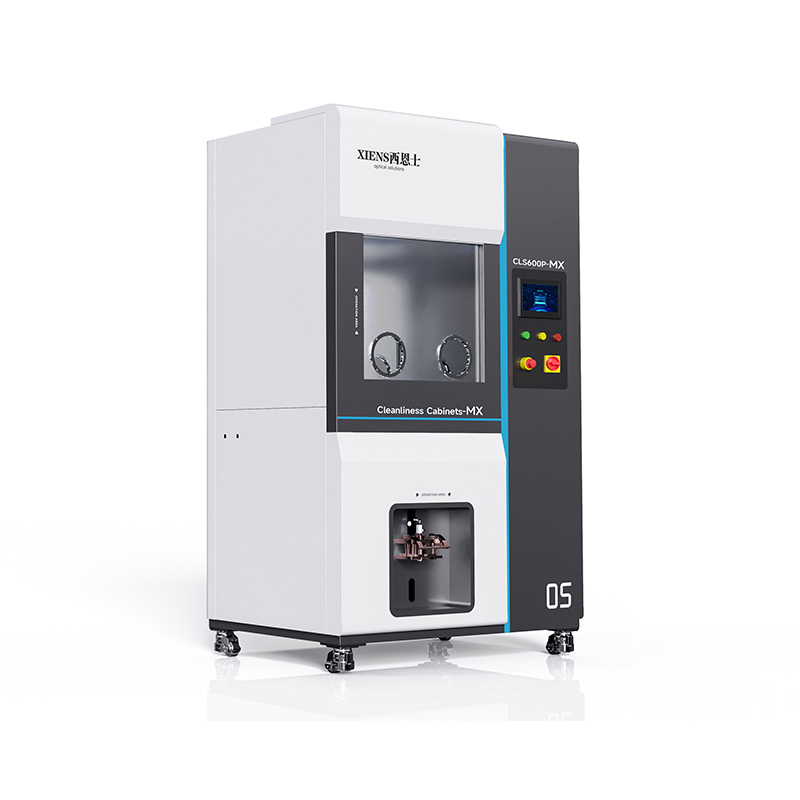
Due to the increasingly strict technical cleanliness requirements(In accordance with the VDA19.1 and ISO16232 standards ) for products and processes, manufacturers must be able to accurately measure the quantity, type and source of residual contaminants on components after multi-stage cleaning. XIENS offers laboratory services for technical cleanliness inspection system and component cleanliness cabinets.
| Why need Technical Cleanliness Inspection: |
Technical cleanliness is a key factor in production. It can enhance product quality and improve cost-effectiveness by optimizing processes. Foreign particles and residues (i.e., contaminants) adhering to automotive parts and other components can reduce the strength and safety of products. For instance, in the automotive and aerospace industries, contaminants can cause damage to engines and other parts, directly affecting personal safety. Therefore, the detection and analysis of contaminants and the guarantee of cleanliness are of vital importance.
| Component cleanliness is an indispensable part of the industrial manufacturing process: |
The cleanliness of components is at the core of most industrial manufacturing processes, as these components must be free of contaminants to ensure the high quality of the final product. Technical cleanliness testing involves quality control, process management, and manufacturing departments taking samples from the production line and using filter membranes for particle extraction to quantify contaminants that may affect the performance, lifespan, and reliability of the final product.

| What is the technical cleanliness inspection process? |
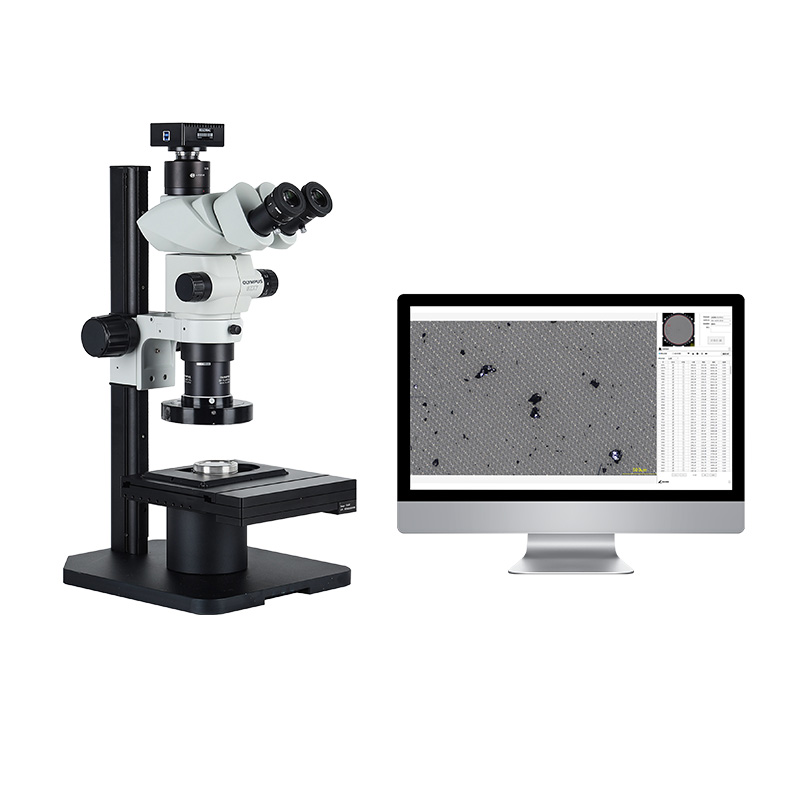
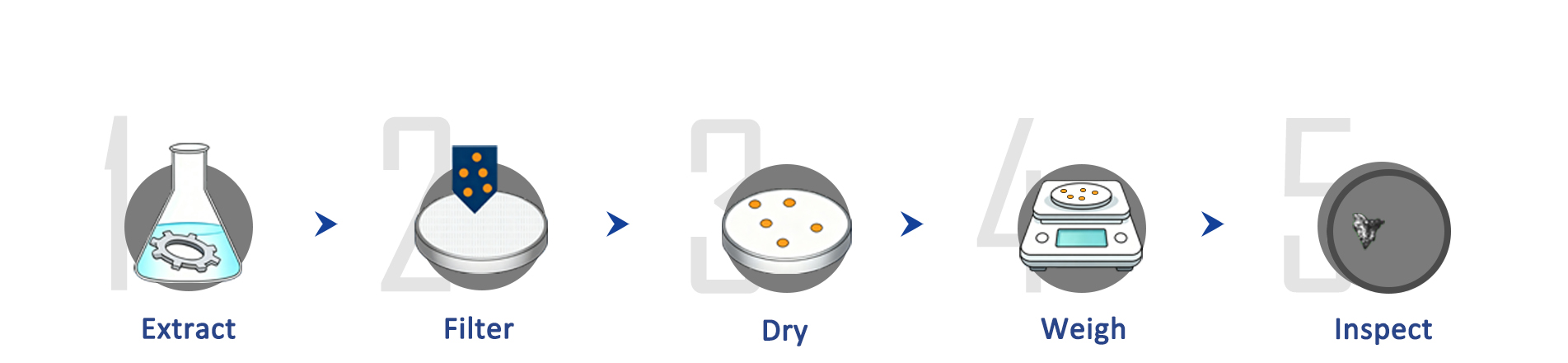
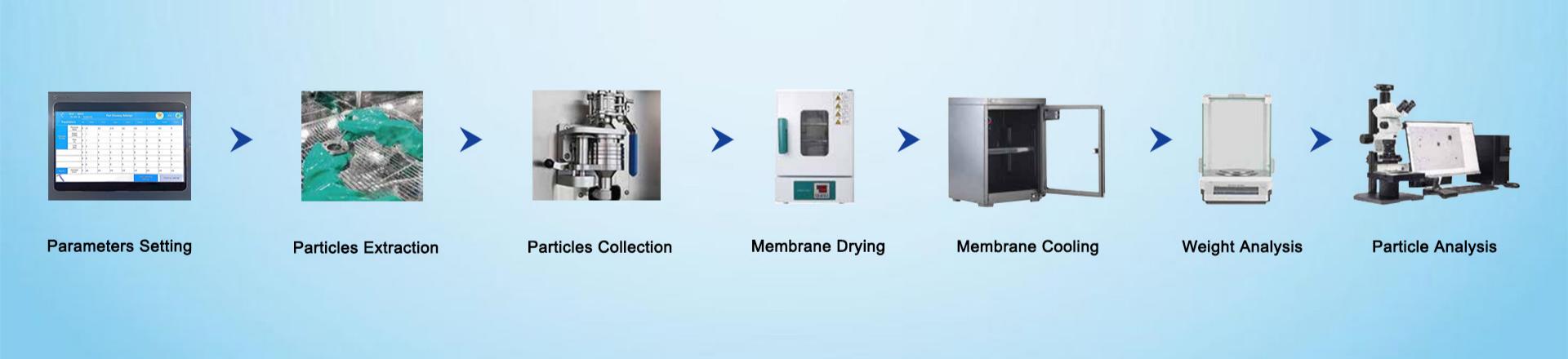
The standardized technical cleanliness testing is based on a clear and mature process. This process uses membrane filters in a Technical Cleanliness Cabinet to extract particles from the sample components through methods such as pressure rinsing, ultrasonic, internal rinsing, shaking rinsing, and air blow. The particles are then collected on the membrane filter. After the filter is dried, it is inspected using a Technical Cleanliness Inspection System to identify and analyze the target contaminants. The contaminant analysis is conducted in accordance with international standards such as ISO 16232 and VDA 19.1.
| Laboratory Planning: |
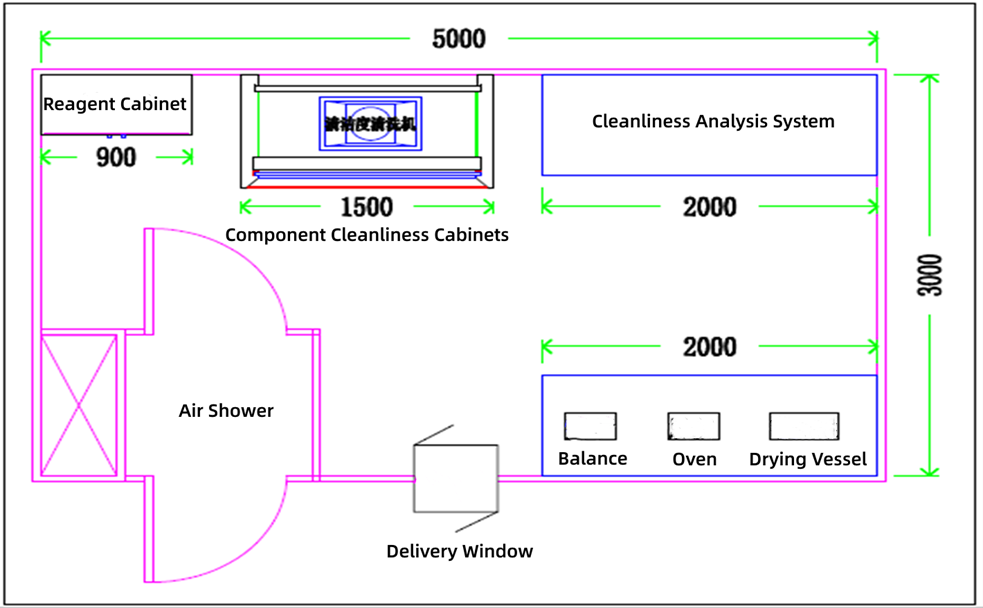
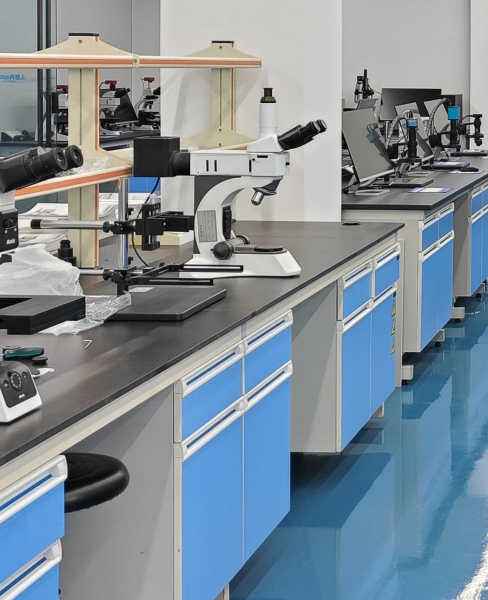
Due to the increasingly strict technical cleanliness requirements(In accordance with the VDA19.1 and ISO16232 standards ) for products and processes, manufacturers must be able to accurately measure the quantity, type and source of residual contaminants on components after multi-stage cleaning. XIENS offers laboratory services for technical cleanliness inspection system and component cleanliness cabinets.
Read More


 IPv6 network supported
Leave A Message
Scan to Wechat :

Scan to Whatsapp :

 English
 Français
 Русский
 Español
 Português
 عربي
عربي Get A Quote