Leave A Message
If you are interested in our products and want to know more details,please leave a message here,we will reply you as soon as we can.

Driving the Upgrade of Cleanliness Control in Liquid Cooling Systems From Precision Extraction to Intelligent Analysis
In an era of explosive growth in computing power demand, liquid cooling technology has become an indispensable heat dissipation solution for high-density data centers, new energy, and high-end manufacturing. However, the efficient operation of liquid cooling systems always faces a hidden threat: micron-sized particulate contaminants. These contaminants, invisible to the naked eye, can clog the micro channels of liquid cooling plates, contaminate the coolant, and consequently lead to decreased heat dissipation efficiency, system overheating, and even equipment failure. Addressing this industry pain point, XIENS Industrial provides a comprehensive cleanliness control solution for liquid cooling systems from source to end through technological innovation in cleanliness extraction equipment and cleanliness analysis systems.
The Importance of Cleanliness Control in Liquid Cooling Systems
As the power density of electronic devices continues to increase, the complexity and precision of liquid cooling systems are also increasing. The micro channel fin spacing inside modern liquid cooling plates has been reduced to 0.1-0.5 mm, equivalent to the diameter of a human hair. At this scale, even tiny metal debris, solder slag, or fibers can form "thrombi," clogging the flow channels and causing localized overheating and chip damage. More challenging is the fact that contaminants in liquid cooling systems are not limited to particulate matter. Residues such as grease and fingerprints can become breeding grounds for microbial growth, while ionic contaminants can trigger electrochemistry corrosion. These contamination risks make liquid cooling cleanliness control no longer an option, but a necessity to ensure system reliability.
Precise Extraction: The Cornerstone of Cleanliness Testing
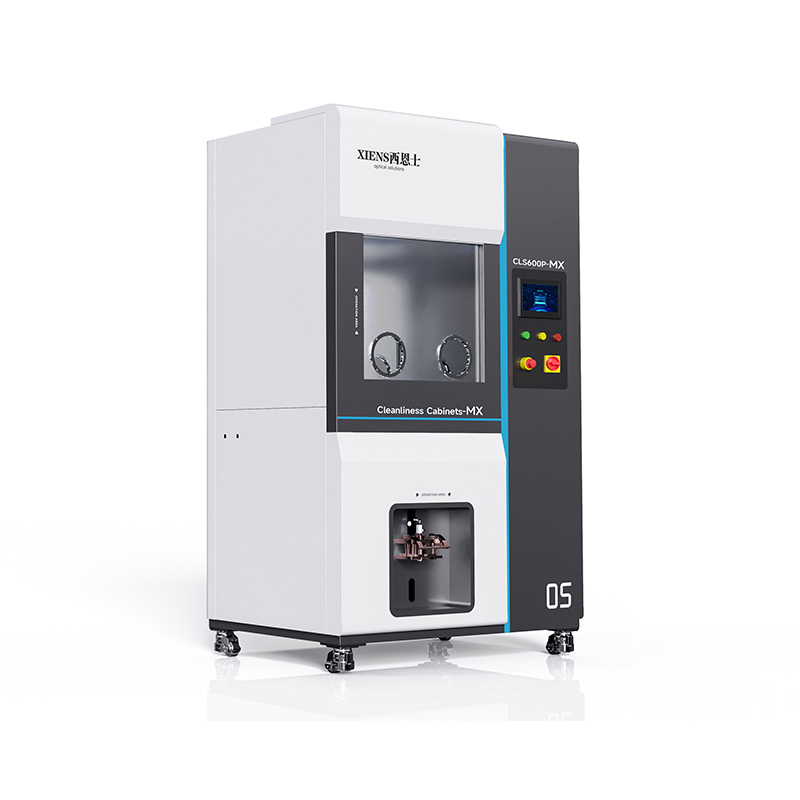
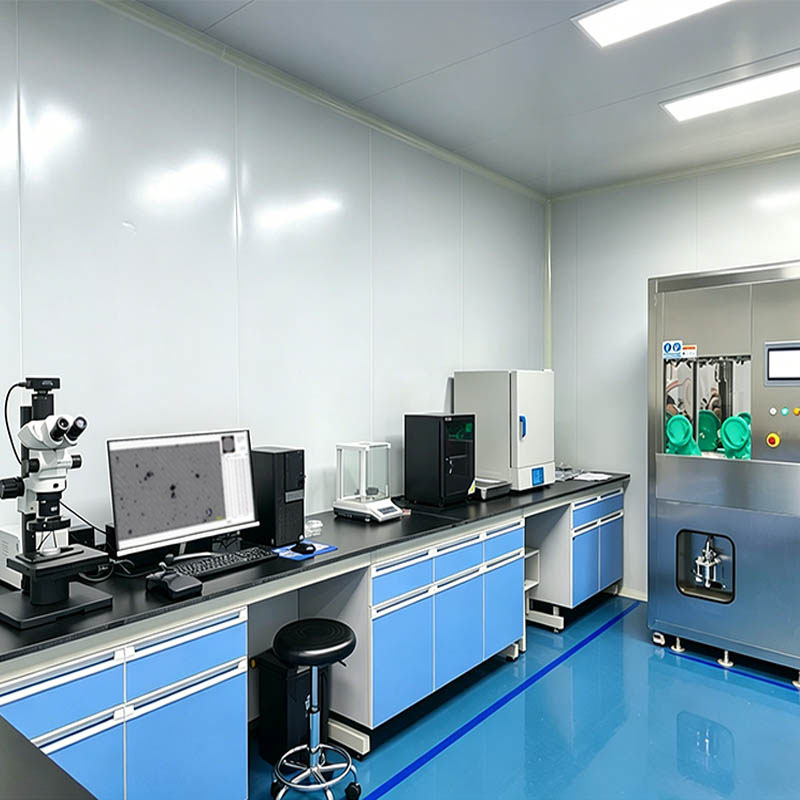
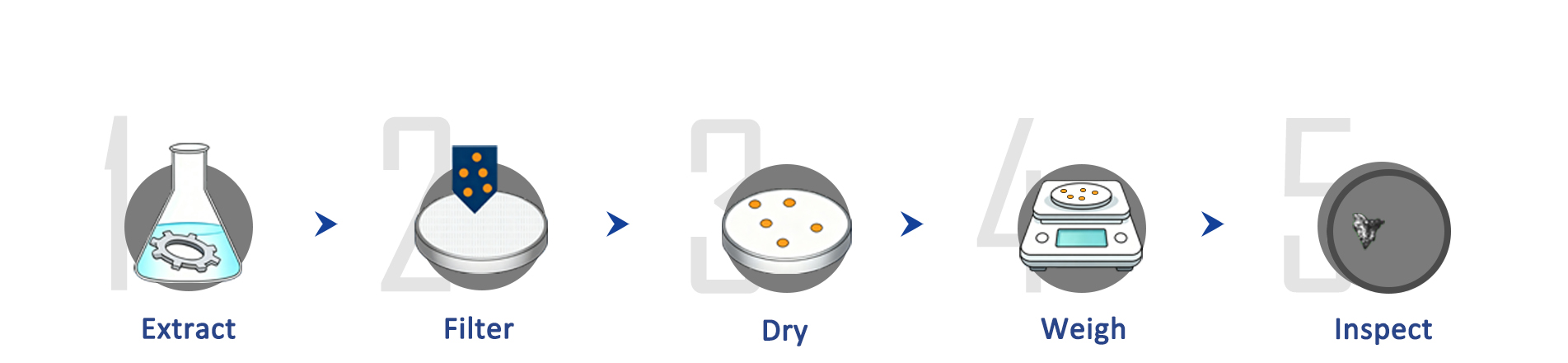
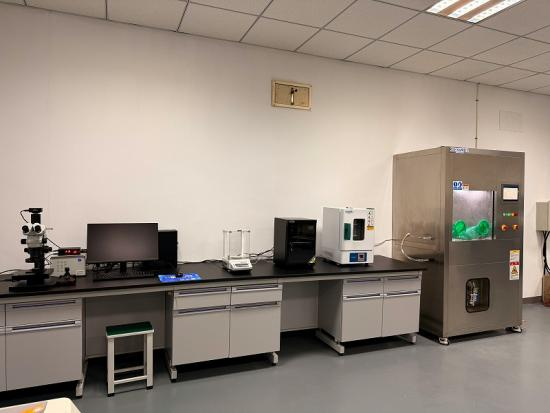
Effective liquid cooling cleanliness analysis begins with precise particle extraction. XIENS Industrial cleanliness extraction equipment employs multi-mode cleaning technology, combining pressure rinsing, ultrasonic, and air blowing to ensure complete collection of contaminants from the parts' surfaces. Constructed of 304 stainless steel and integrating an air laminar flow system, the equipment creates a clean operating environment, effectively isolating external contaminants. This clean extraction environment is crucial for preventing secondary contamination, especially for precision components such as liquid cooling plates. The cleanliness extraction equipment is designed in accordance with international standards such as VDA19.1 and ISO16232, meeting the high cleanliness requirements of liquid cooling systems. Through standardized cleaning and filtration procedures, the equipment effectively transfers contaminants from the parts' surfaces to the filter membrane, providing reliable samples for subsequent analysis.
Intelligent Analysis: A Leap from Data to Insight
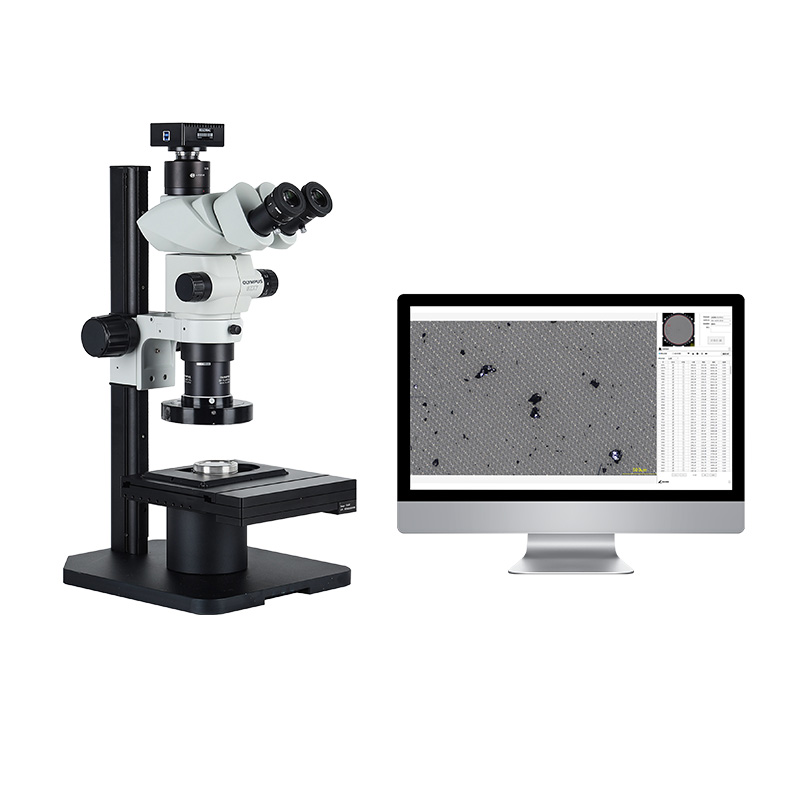
After acquiring contaminant samples, XIENS Industrial's cleanliness analysis system plays a crucial role. Utilizing advanced optical detection technology, this system automatically identifies various contaminants, including metal particles, non-metal particles, and fibers, and accurately counts their size and quantity. The advantage of this cleanliness analysis system lies in its intelligent data analysis capabilities. The system can automatically generate test reports compliant with standards such as ISO 16232 and VDA 19.1, providing clear particle distribution data to help engineers quickly determine the cleanliness status of the liquid cooling system. For liquid cooling system cleanliness testing, the system can also track the changing trends of particulate contaminants, providing data support for preventative maintenance. When the particle concentration in the coolant approaches a dangerous threshold, the system can issue an early warning to prevent system failure.
A Comprehensive Solution for Liquid Cooling System Cleanliness Control
XIENS Industrial liquid cooling cleanliness solution covers the entire lifecycle, from component production to system operation and maintenance. During the manufacturing stage, cleanliness testing of key components such as liquid cooling plates and manifolds controls the introduction of contaminants at the source. During system operation, coolant particulate contamination monitoring allows for real-time monitoring of fluid cleanliness. XIENS's cleanliness analyzers can detect the number and distribution of micron-sized particles in the coolant, ensuring the liquid condition meets design requirements. Furthermore, XIENS provides professional cleanliness management consulting services to help customers establish a comprehensive cleanliness management system. From setting testing standards to troubleshooting cleanliness issues, XIENS's professional team provides comprehensive technical support.
Liquid cooling cleanliness control is a systematic project that spans the entire process of design, manufacturing, assembly, and operation and maintenance. From the precision cleaning of the manifold to coolant testing, every step requires meticulous quality control. XIENS Industrial's cleanliness testing equipment and analysis systems act like a steadfast "cleanliness steward," safeguarding the efficient operation of liquid cooling systems.



 IPv6 network supported
Leave A Message
Scan to Wechat :

Scan to Whatsapp :

 English
 Français
 Русский
 Español
 Português
 عربي
عربي Get A Quote