Leave A Message
If you are interested in our products and want to know more details,please leave a message here,we will reply you as soon as we can.

The Threat of Tiny Contaminants and the Cleanliness Defense Line in the Liquid Cooling Era
Liquid Cooling Era: Tiny Contaminants, Huge Threats
With the rapid development of high-density computing and artificial intelligence, liquid cooling technology, with its superior heat dissipation efficiency, has become a core direction in the evolution of data centers. Liquid-cooled servers, cold plates, CDUs (cooling distribution units), pumps, valves, and intricate piping systems together construct a precise closed-loop thermal management system. However, the reliability of this system highly depends on its absolute internal cleanliness. Micron-sized metal particles, non-metallic particles, fibers, and other contaminants, once they enter the coolant circulation, can trigger a series of cascading failures, becoming a hidden danger to the stable operation of liquid-cooled data centers.
Chain Reaction: From Particulate Contamination to System Failure
The harm caused by contaminants in liquid cooling systems is gradual and potentially fatal. First, hard particles in the high-speed flowing coolant continuously wear down the precision flow channels inside the liquid cooling plates and scrape the sealing materials of quick-connect fittings and valves, leading to minor leaks or performance degradation. Secondly, these particles and fibers easily accumulate in narrow channels or branch pipes of filters and heat exchangers, causing localized blockages, affecting flow rate and heat dissipation uniformity, and leading to overheating of some liquid-cooled servers. More dangerously, conductive metal particles may migrate to electrical connections, posing a short-circuit risk, while chemical impurities can react with coolant or sealing/insulating materials, accelerating their aging and potentially causing pump and valve jamming, frequent leak detection alarms, or even the failure of the entire intelligent control system.
Prevention is Better than Cure: Cleanliness Control is the Cornerstone of Liquid Cooling Reliability.
To break this chain reaction that starts from small details, strict cleanliness quality standards must be established throughout the entire chain of component manufacturing, system assembly, and operation and maintenance monitoring. This requires scientific and quantifiable contaminant detection and analysis of every critical component, such as liquid cooling plates, storage tanks, pipes, and joints, as well as the coolant itself before filling. Standardized cleanliness control according to international standards is no longer an option, but a necessary investment to ensure the long-term stable and efficient operation of liquid-cooled data centers.
XIENS Solutions: Building a Clean Defense Line for Liquid Cooling Systems
Addressing the high standards required by the liquid cooling industry, XIENS Industrial, leveraging 15 years of experience focused on technical cleanliness analysis, provides reliable end-to-end solutions.
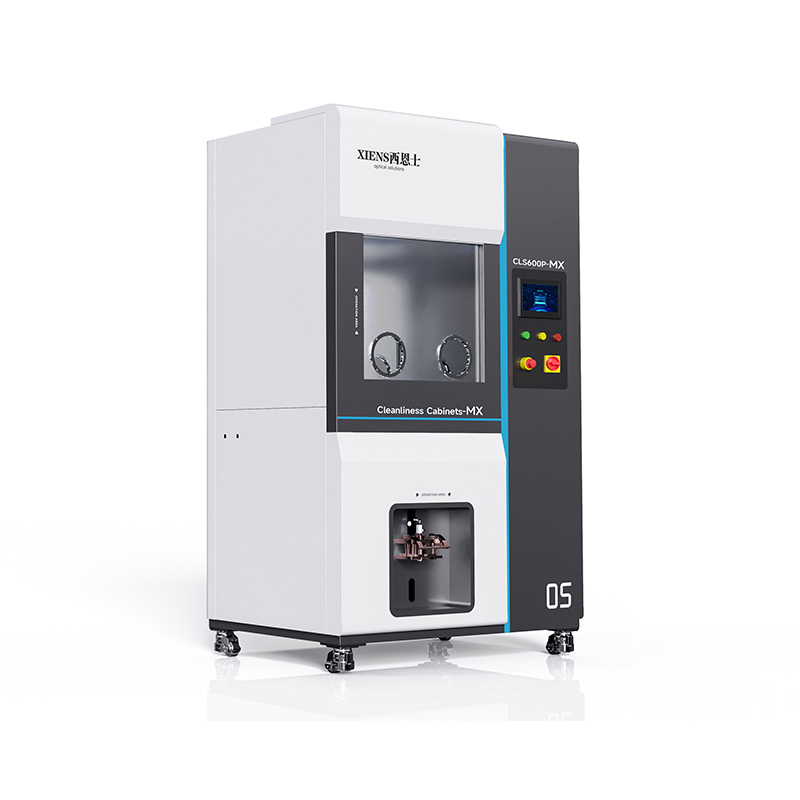
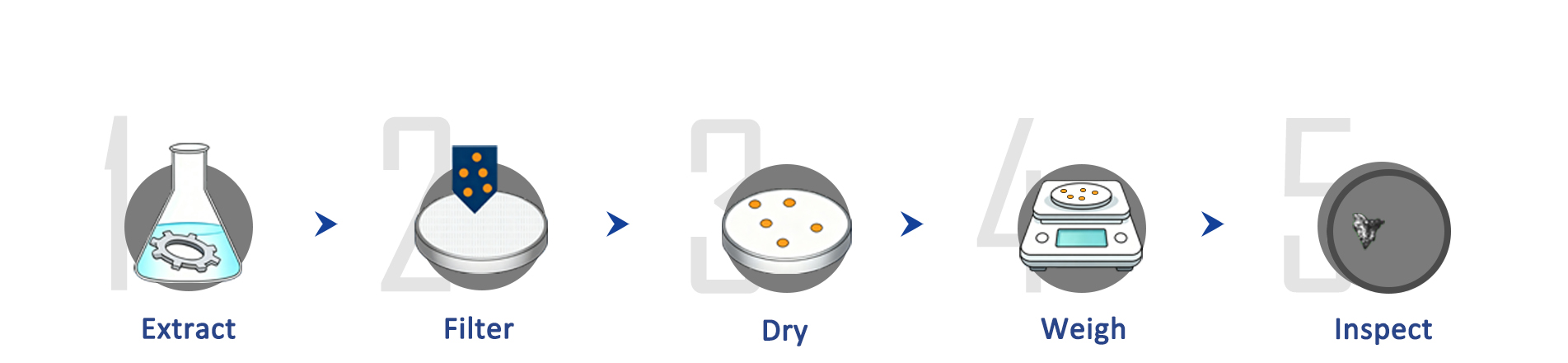
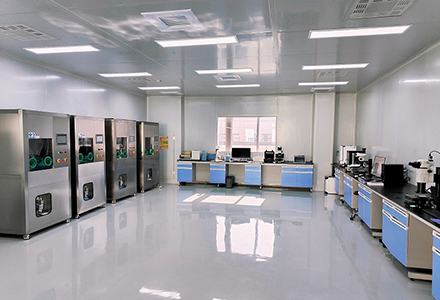
In the contaminant extraction stage, our cleanliness extraction equipment (also known as a cleanliness extraction machine) features an all-stainless steel structure and integrates multiple cleaning methods, including pressure rinsing and ultrasonic, enabling efficient and thorough contaminant collection from liquid cooling components of different sizes and structures. Its sealed, clean operating space and online filtration and recovery design ensure no secondary contamination during sample preparation, rapidly obtaining the filter membrane sample for analysis.
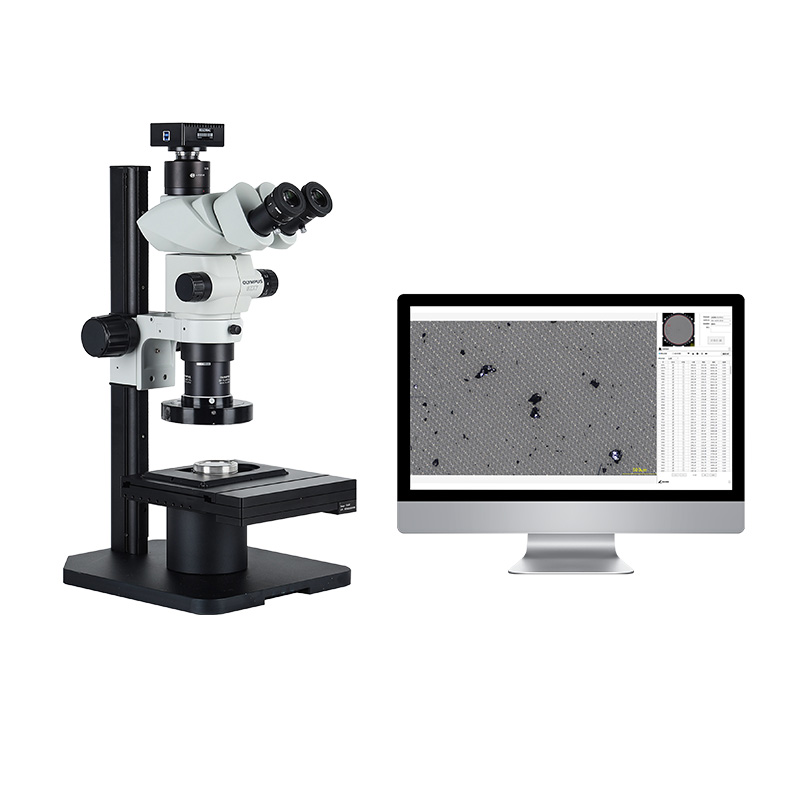
In the contaminant analysis stage, our cleanliness analysis system (including a cleanliness analyzer/detector) performs fully automated, high-speed scanning and precise identification of particles on the filter membrane. The system automatically distinguishes between metal particles, non-metals, and fibers, and performs classification and statistical analysis according to standards relevant to the liquid cooling industry, such as VDA19.1 and ISO16232, generating authoritative test reports with a single click. This provides precise data support for assessing component cleanliness levels, tracing contamination sources, and optimizing production processes.
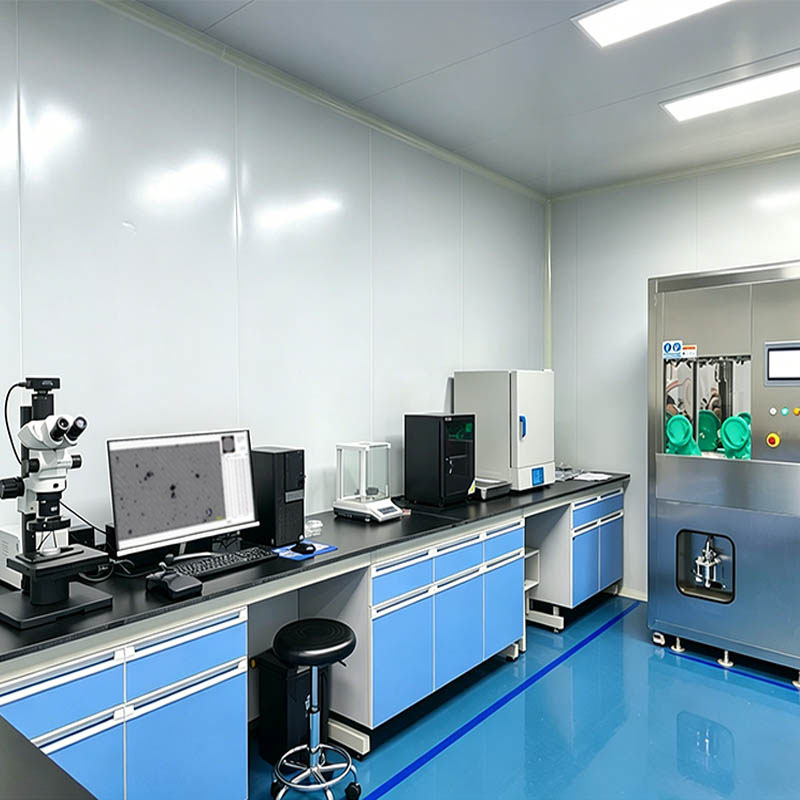
From cleanliness testing equipment to cleanliness analysis systems, XIENS provides internationally certified cleanliness solutions for the entire industry chain, including liquid-cooled servers, thermal conductive materials, and cooling circulation components, with its independently developed technology matrix. This helps customers control risks from the source, improve product reliability and yield, and jointly safeguard the "cool" heart of liquid-cooled data centers through technological innovation.



 IPv6 network supported
Leave A Message
Scan to Wechat :

Scan to Whatsapp :

 English
 Français
 Русский
 Español
 Português
 عربي
عربي Get A Quote