Leave A Message
If you are interested in our products and want to know more details,please leave a message here,we will reply you as soon as we can.

Cleanliness Control: The Core Standard for Reliable New Energy EV Three-in-One Electric Drive Systems
1. The Popularity of Integrated EV Electric Drive Systems
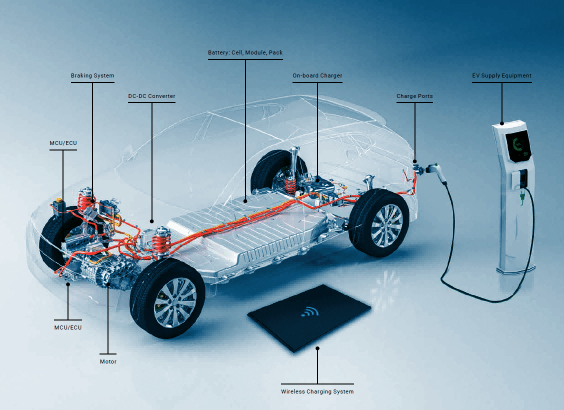
Modern electric vehicles widely adopt three-in-one electric drive systems that combine drive motors, motor controllers, and reducers into a single compact unit. Compared with traditional separate powertrain structures, integrated EV drive assemblies deliver lighter vehicle weight, lower production costs, smaller installation space, and higher energy efficiency. As automotive manufacturers continue to promote modular and integrated electric drive solutions, component cleanliness has become a critical standard that directly affects electric drive system reliability, service life, and driving safety.
2. Why Cleanliness Matters for Integrated Electric Drives
The high integration of modern EV powertrains enables internal fluid and air circulation inside the sealed housing. However, this structure also makes the system extremely sensitive to tiny particulate contaminants. Once impurities exist in any single component, they will circulate through lubricant and airflow, spreading across the entire three-in-one assembly. Since electric drive units are fully sealed after assembly, internal particles cannot be removed, resulting in continuous wear and irreversible long-term damage.
3. Specific Impacts of Substandard Cleanliness
Poor component cleanliness directly causes performance degradation and potential safety hazards for electric vehicle drive systems. The main failures induced by particulate contamination are listed below:
- Reducer abrasion and noise issues: Hard particles scratch gear tooth surfaces and bearing raceways during operation. This leads to increased operating noise, reduced transmission efficiency, and accelerated component aging. In severe cases, particle accumulation causes bearing stuck and sudden power loss.
- Motor insulation failure: Micro-particles attached to motor stator windings damage insulation materials. This results in current leakage, abnormal temperature rise, and even motor burnout under extreme operating conditions.
- Motor controller circuit damage: Conductive metal particles inside the assembly may fall on PCBs and power semiconductor devices. Tiny conductive contaminants easily trigger short circuits, chip breakdown, and sudden electric drive system failure.
4. Industry Standard Upgrading & Full-Process Control
To eliminate contamination risks in EV production, the new energy automotive industry has raised strict cleanliness standards for electric drive components. Global manufacturers and suppliers follow authoritative industrial standards including VDA 19.1 and ISO 16232. Full-process cleanliness control covers component incoming inspection, precision cleaning, production processing, and final assembly, ensuring stable and consistent product quality.
5. Conclusion: Cleanliness Becomes Core Competitiveness
As electric vehicle market competition focuses more on long-term reliability and safety, cleanliness control has become a core manufacturing capability. High-standard particle contamination management effectively improves the durability, stability, and safety of three-in-one electric drive systems. In future EV intelligent manufacturing, precise cleanliness control will remain an essential and fundamental process for high-quality electric vehicle powertrain production.
1. Why are VDA 19.1 and ISO 16232 important for EV electric drive cleanliness control?
VDA 19.1 and ISO 16232 provide standardized methods for evaluating technical cleanliness, including particle extraction, measurement, classification, and reporting. For three-in-one electric drive systems, these standards help manufacturers identify and control critical contaminants such as metal particles, fibers, and non-metallic debris, ensuring reliable operation of motors, reducers, and electronic components.
2. How is cleanliness testing performed for EV three-in-one electric drive components?
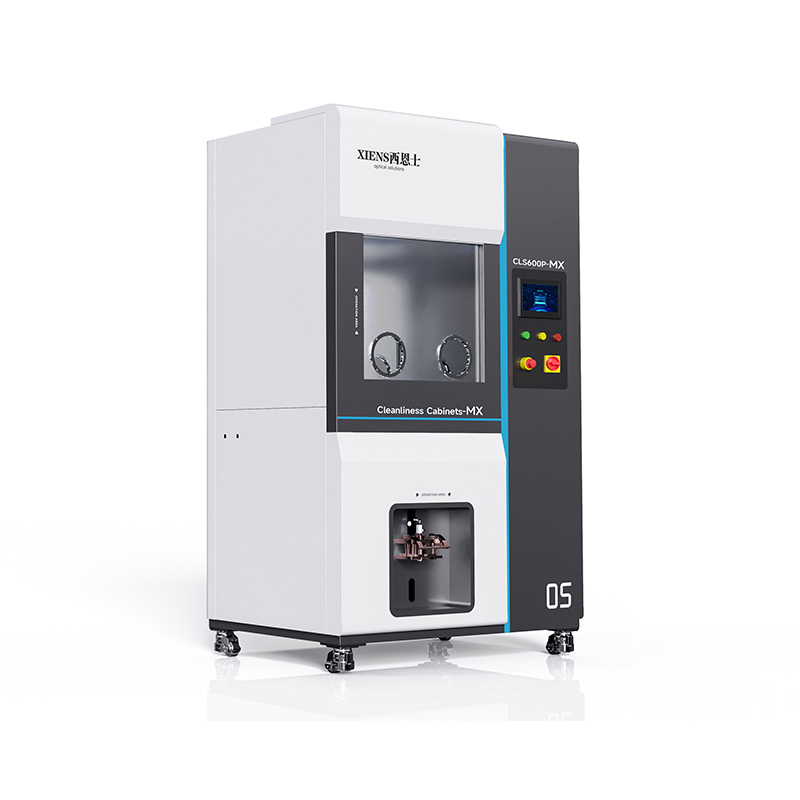
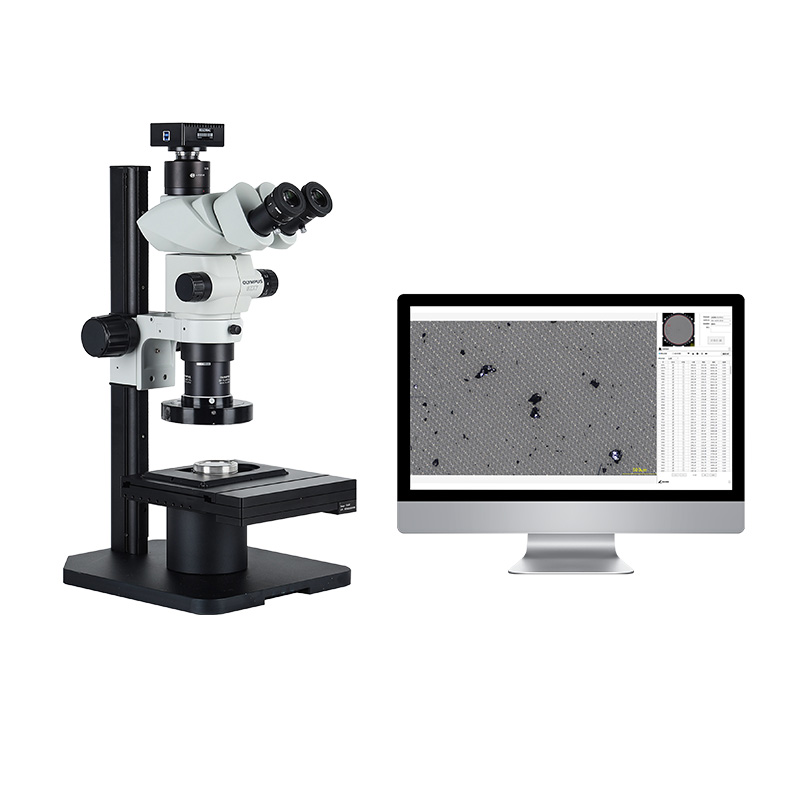
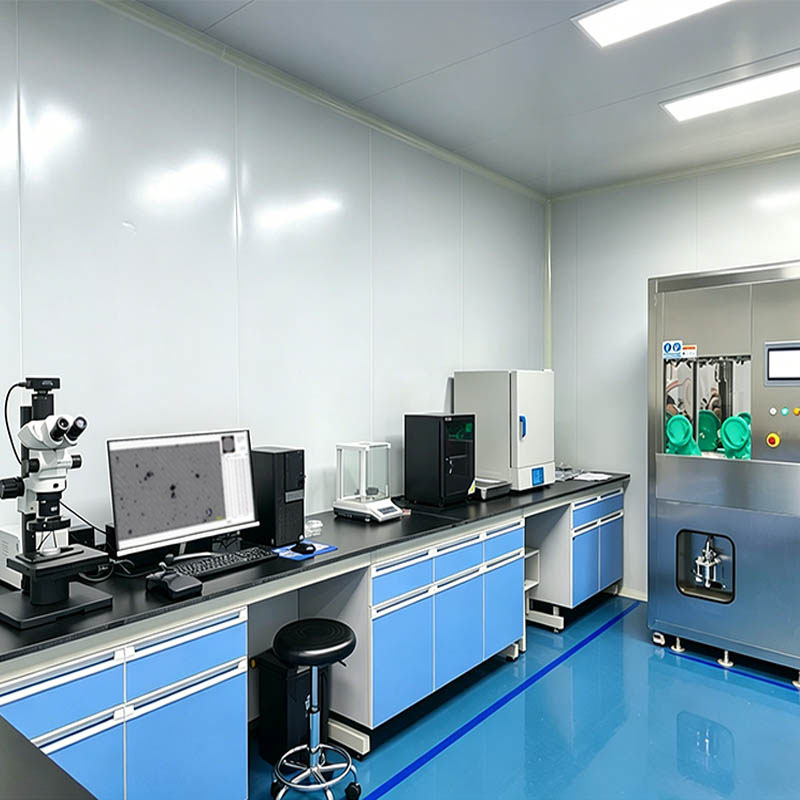
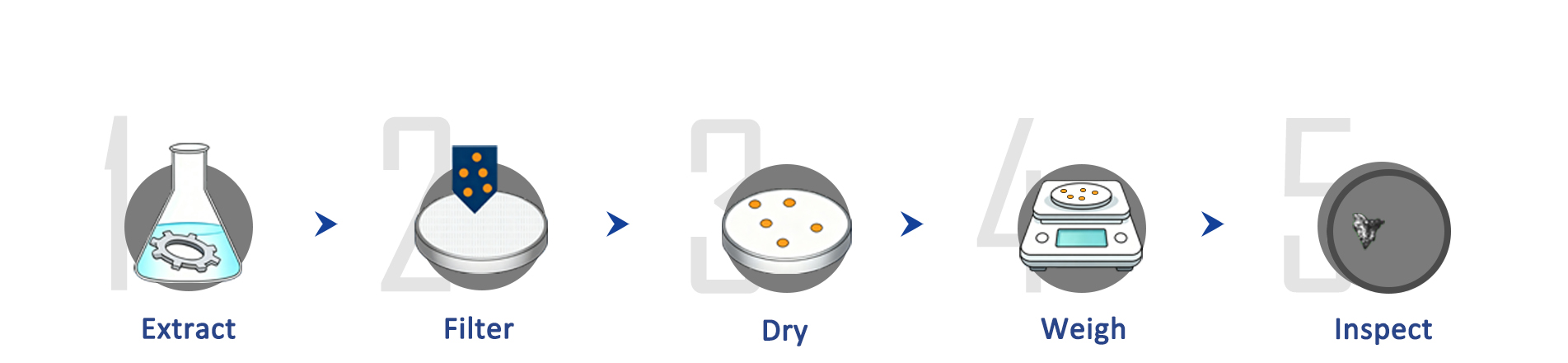
Cleanliness testing typically involves extracting residual particles from components using methods such as rinsing, flushing, or circulation extraction, followed by particle analysis through filtration, microscopy, and automated measurement systems. The results are evaluated based on particle size, quantity, weight, and material characteristics to verify whether components meet required cleanliness specifications.



 IPv6 network supported
Leave A Message
Scan to Wechat :

Scan to Whatsapp :

 English
 Français
 Русский
 Español
 Português
 عربي
عربي Get A Quote