Leave A Message
If you are interested in our products and want to know more details,please leave a message here,we will reply you as soon as we can.

Technical cleanliness is increasingly important in automotive, precision manufacturing, hydraulic, aerospace, and new energy applications. Metal chips, dust, machining residues, oil contamination, fibers, and other particles inside components can cause valve sticking, abnormal wear, flow blockage, leakage, or system failure.
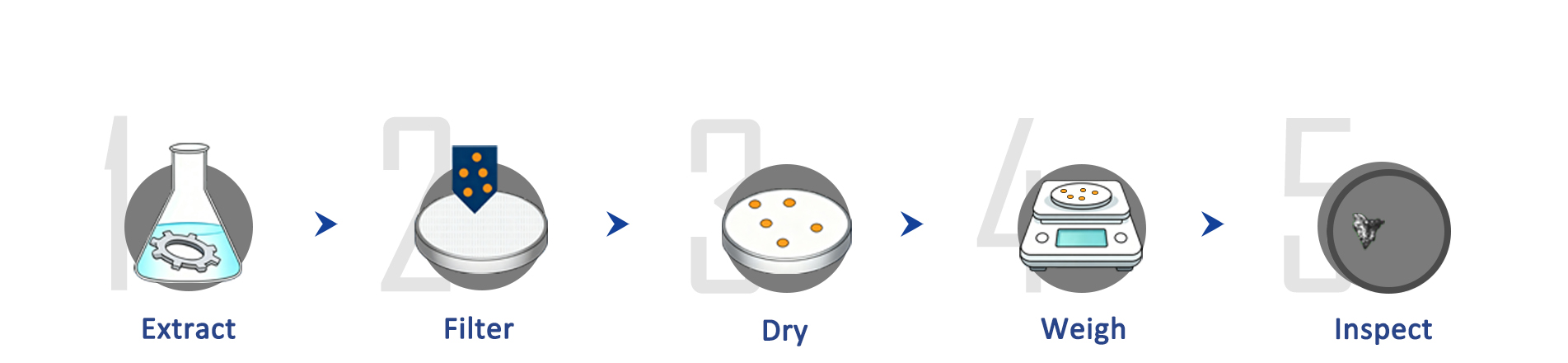
Flushing and perfusion extraction is a technical cleanliness extraction method that uses controlled fluid flow to remove contaminants from internal channels, cavities, and complex structures. It is particularly suitable for components with enclosed flow paths or internal passages that are difficult to access using conventional extraction methods.
Based on the principles of ISO 16232 and VDA 19.1, this article explains the working principle, applications, advantages, and selection considerations of the flushing and perfusion method.
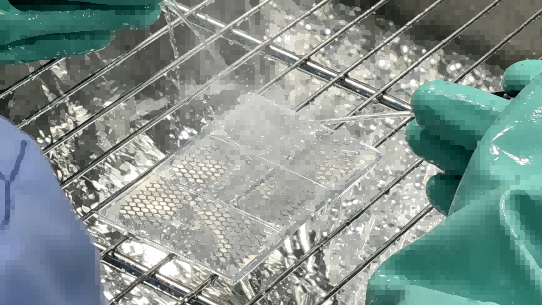
Technical cleanliness inspection requires contaminants to be extracted from a component and collected for further analysis, such as particle counting, particle-size measurement, microscopic analysis, or gravimetric evaluation.
Common extraction methods include spray extraction, ultrasonic extraction, shaking extraction, and flushing/perfusion extraction.
Spray extraction is mainly suitable for open and easily accessible surfaces, while ultrasonic extraction uses cavitation to help remove contaminants from smaller or more complex components. Shaking extraction uses fluid movement to loosen contaminants.
In contrast, flushing and perfusion extraction directs cleaning fluid through the internal structure of a component. The controlled flow helps remove particles from internal channels, cavities, deep holes, and curved passages.
Therefore, it is especially suitable for components whose cleanliness requirements are mainly related to internal fluid paths.
Automotive powertrain and transmission components often contain oil passages, hydraulic channels, and cooling structures. Contamination inside these areas can affect valve operation, pump performance, and system reliability.
Typical applications include:
Transmission valve bodies
Hydraulic control modules
Hydraulic pump bodies
Engine oil and cooling passages
Steering system components
Hydraulic systems are highly sensitive to particulate contamination. Small particles can cause valve malfunction, seal wear, pressure fluctuations, and reduced system performance.
Flushing and perfusion extraction can be used for:
Hydraulic valve blocks
Proportional and servo valves
Hydraulic piping assemblies
Filter housings
Precision fluid-control components
Electric vehicles, energy storage systems, and data-center liquid cooling systems often use components with complex internal channels.
Typical applications include:
Liquid cooling plates
Cooling manifolds
CDU cooling units
Liquid cooling pipes
Aluminum components with internal channels
Aluminum chips, machining residues, welding debris, and other particles may remain inside these channels and affect flow or heat-transfer performance. Flushing extraction can help evaluate the internal cleanliness of such components.
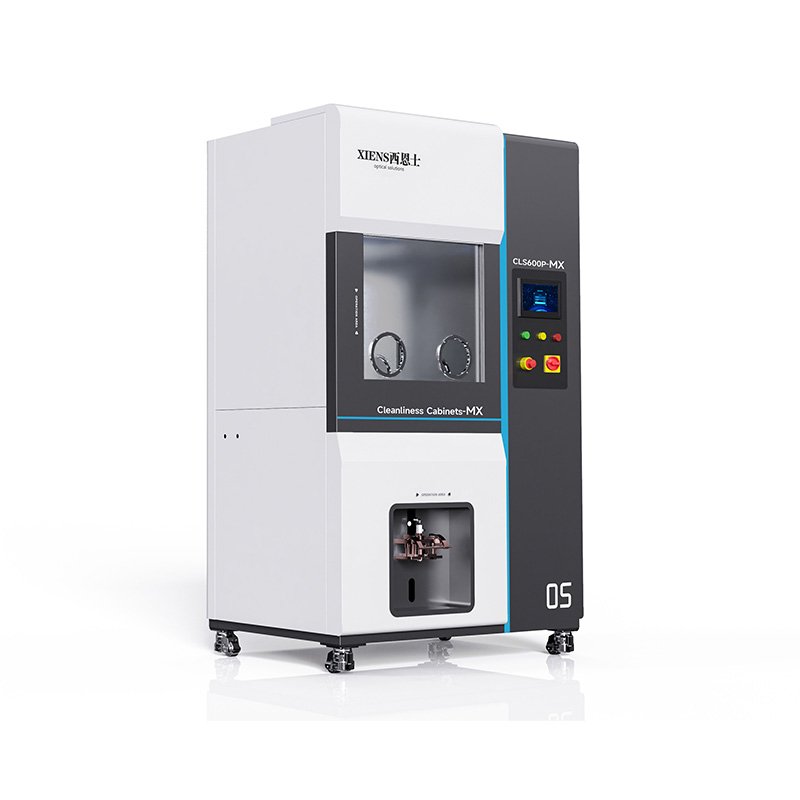
During testing, the component is connected to the cleanliness extraction system through dedicated fixtures. Cleaning or extraction fluid is then circulated through the internal passages under controlled conditions.
Important parameters may include:
Flow rate
Pressure
Flow velocity
Extraction time
Number of flushing cycles
Filtration conditions
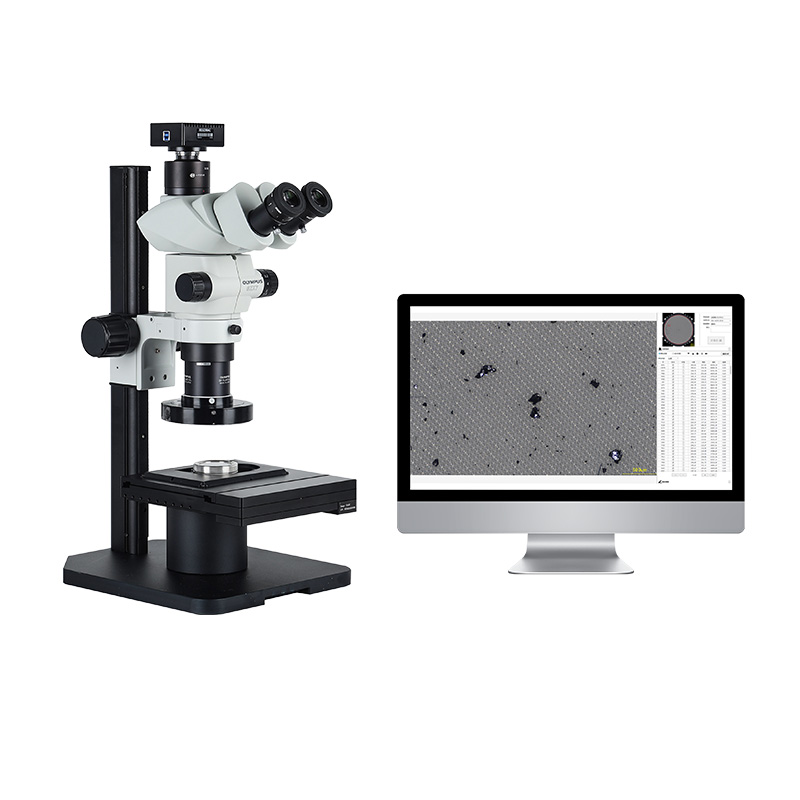
As the fluid passes through the component, flushing and shear forces help detach contaminants from internal surfaces. The contaminated fluid is then filtered, and the collected particles can be analyzed for particle quantity, size distribution, and mass.
This controlled process makes the method particularly effective for internal flow paths and complex component geometries.
The method allows cleaning fluid to reach deep holes, curved channels, cavities, and other areas that may be difficult to access with surface-oriented extraction methods.
Flow rate, pressure, extraction time, and flushing cycles can be controlled and recorded. This helps improve test repeatability and enables more consistent comparison between components and production batches.
With suitable fixtures and connectors, one system can be adapted to different components, including valve bodies, hydraulic modules, liquid cooling plates, piping assemblies, and pump bodies.
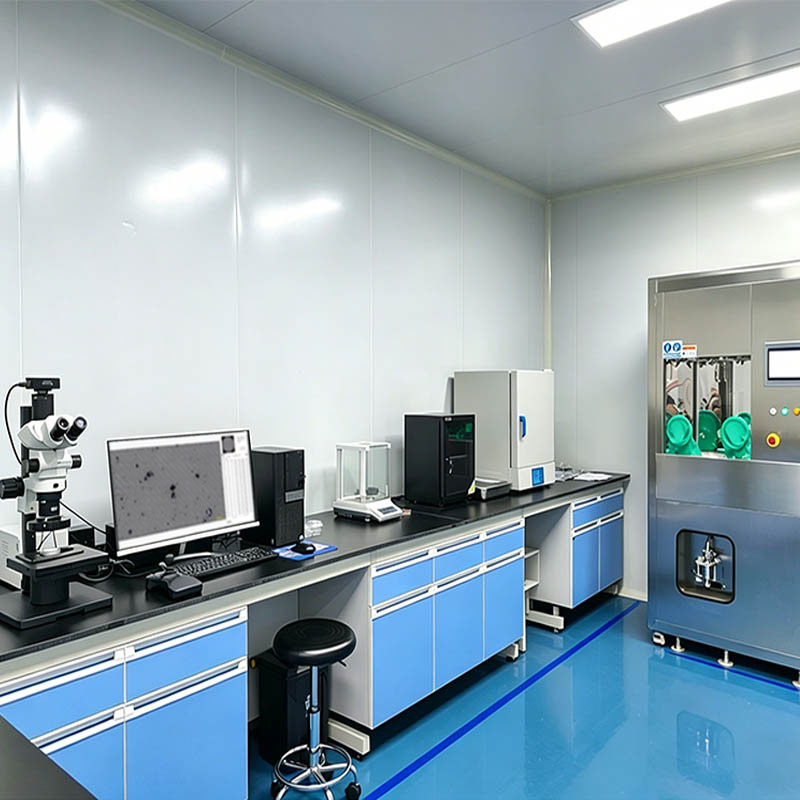
Modern systems can integrate automatic flushing, filtration, sample preparation, data recording, and result traceability, supporting more efficient cleanliness quality control.
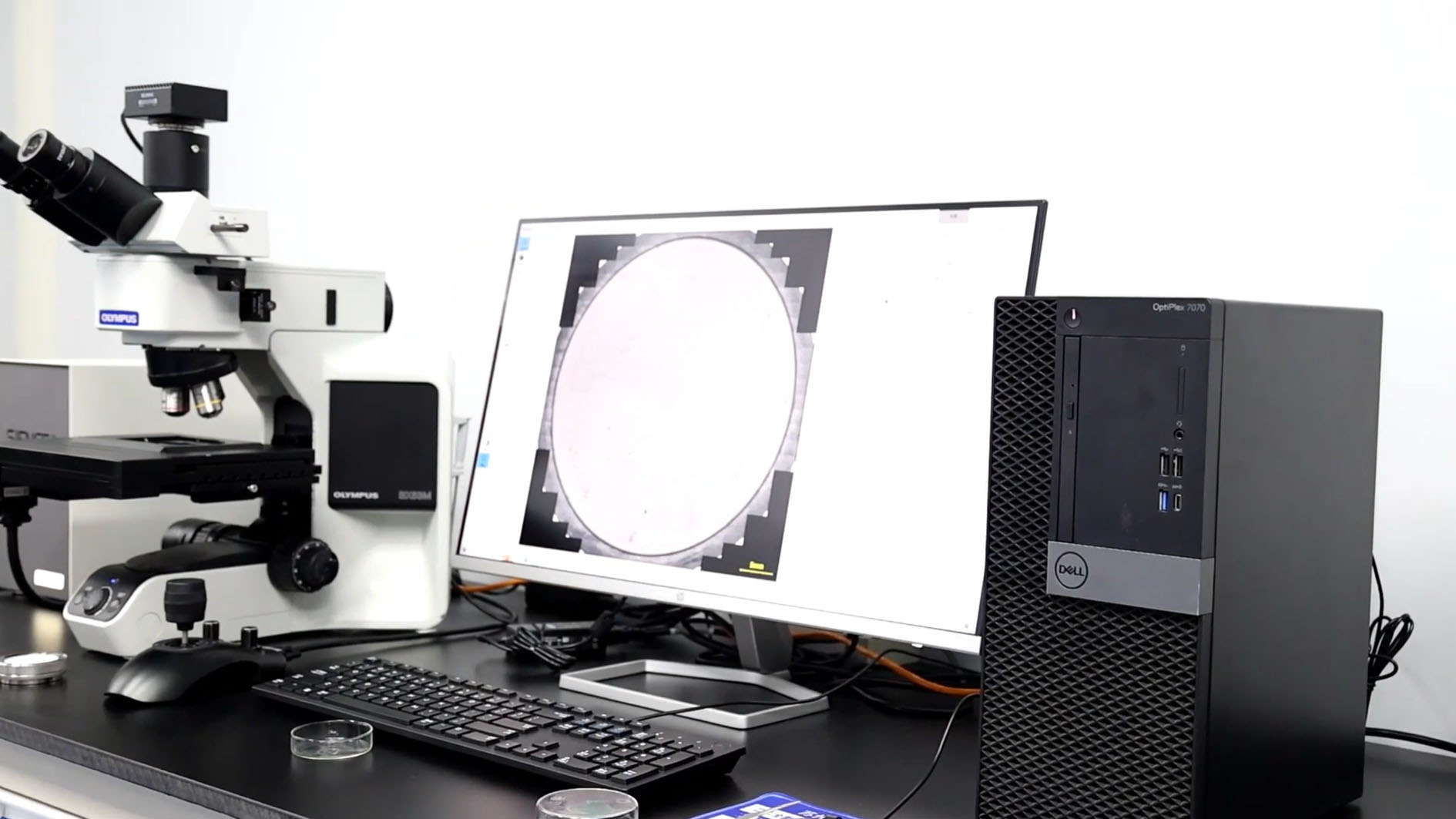
ISO 16232 and VDA 19.1 provide frameworks for technical cleanliness inspection, covering contaminant extraction, filtration, particle analysis, and cleanliness evaluation.
They do not require every component to use the same extraction method. The appropriate method should be selected according to the component geometry, contaminant location, and inspection objective.
For components with internal flow channels and complex cavities, flushing and perfusion can be an appropriate extraction approach when the process has been properly defined and validated.
For simple components with mainly external contamination, other methods such as spray or ultrasonic extraction may be more suitable.
The flushing and perfusion method is a specialized technical cleanliness extraction approach for components with internal channels, cavities, and complex flow paths.
By circulating controlled cleaning fluid through the component, it can improve the extraction of internal particles and provide reliable samples for subsequent cleanliness analysis.
It is particularly useful in automotive, hydraulic, new energy liquid cooling, precision manufacturing, and aerospace applications.
As component structures become more complex, automated flushing systems, digital data management, and more efficient extraction processes will continue to support higher levels of technical cleanliness control.
Because contaminants may remain inside deep holes, curved channels, cavities, and other areas that are difficult to access from the outside. Flushing and perfusion directs cleaning fluid through these internal paths to improve contaminant extraction.
Yes. ISO 16232 and VDA 19.1 do not prescribe one extraction method for every component. The extraction method should be selected according to the component structure and inspection objective. Flushing and perfusion can be used when it is appropriate for the component and the extraction process is properly controlled and validated.



 IPv6 network supported
Leave A Message
Scan to Wechat :

Scan to Whatsapp :

 English
 Français
 Русский
 Español
 Português
 عربي
 Get A Quote