Leave A Message
If you are interested in our products and want to know more details,please leave a message here,we will reply you as soon as we can.

The development of technical cleanliness can be traced back to the aerospace industry in the 1960s, where particle contamination control was essential to preventing failures in hydraulic and propulsion systems. In the early 21st century, the automotive industry drove its standardization and widespread adoption. Today, technical cleanliness is widely applied in advanced manufacturing sectors, including new energy batteries, semiconductors, medical devices, and precision heavy machinery, becoming a key indicator of manufacturing quality and system reliability.
In modern industrial manufacturing, technical cleanliness has become an important indicator of component quality and system reliability. From preventing engine failures to ensuring the reliable operation of precision semiconductor equipment, controlling microscopic particulate contamination is critical. But where did this concept, now widely used across advanced manufacturing industries, originally come from?
The concept of technical cleanliness can be traced back to the aerospace industry in the 1960s.
During the Cold War, as aerospace technology advanced rapidly, aircraft and spacecraft required increasingly precise hydraulic, propulsion, and control systems. Engineers discovered that even tiny metal chips or dust particles, invisible to the naked eye, could remain inside these systems and cause valve jamming, blocked fluid passages, or other failures under high pressure and severe vibration. Such failures could result in costly damage or even catastrophic accidents.
To address these risks, aerospace engineers and industry organizations developed methods for cleanliness inspection and particulate contamination control. Organizations such as the Society of Automotive Engineers (SAE) and the Aerospace Industries Association (AIA) contributed to the development of relevant technical practices and standards. These efforts helped establish the foundations of modern technical cleanliness management.

Although technical cleanliness has historical roots in aerospace applications, the automotive industry played a major role in its standardization, wider adoption, and large-scale implementation.
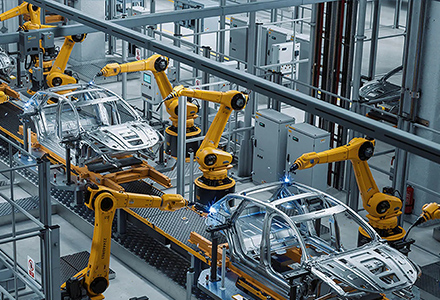
With advances in automotive technology, high-pressure common-rail diesel injection systems, precision automatic transmissions, and gasoline direct-injection engines became increasingly common. Component clearances narrowed to the micrometer scale, making even particles measuring just tens of micrometers capable of blocking fuel injectors or accelerating wear in transmission valve bodies.
In 2002, the German Association of the Automotive Industry (VDA) published the first edition of VDA 19, a guideline addressing the technical cleanliness of automotive components and systems. It established a systematic approach to cleanliness testing, including extraction, filtration, and microscopic analysis. The International Organization for Standardization (ISO) subsequently published ISO 16232, further supporting the standardization of technical cleanliness assessment across the automotive supply chain.
As a result, technical cleanliness evolved from a specialized concern in high-reliability engineering into an established quality management practice throughout the global automotive industry.
As manufacturing continues to move toward greater precision and automation, technical cleanliness has expanded far beyond its original applications. It now plays an important role in numerous advanced manufacturing sectors.
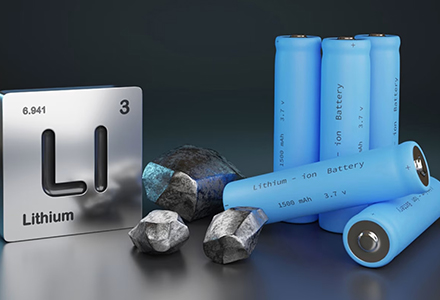
New Energy and Lithium-Ion Batteries: Metal particles introduced during electrode production and cell assembly can potentially cause internal short circuits and, in severe cases, thermal runaway. Technical cleanliness is therefore an important part of contamination control and battery safety management.
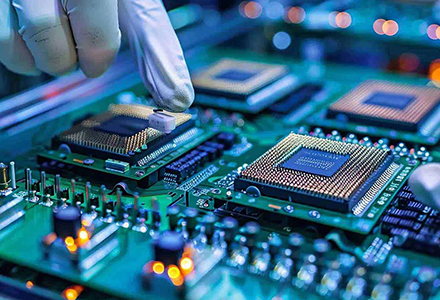
Semiconductors and Electronics: During chip packaging and the manufacture of precision sensors and optical components, particulate contamination can reduce production yields and, in some cases, cause electrical shorts or functional defects.
Medical Devices: Implantable medical devices, such as cardiac pacemakers and artificial joints, as well as other medical equipment, require strict control of particulate contamination and manufacturing residues. These requirements are closely linked to product quality and patient safety.
Precision Heavy Machinery and Rail Transportation: Equipment such as hydraulic power units, high-speed railway braking systems, and wind turbine gearboxes often operates under high loads for extended periods. Effective cleanliness control helps reduce wear, improve reliability, and extend service life.
From protecting aircraft and spacecraft to supporting mass production in the automotive industry and enabling advanced manufacturing today, the evolution of technical cleanliness reflects the continuous pursuit of greater precision, quality, and reliability in industrial production.
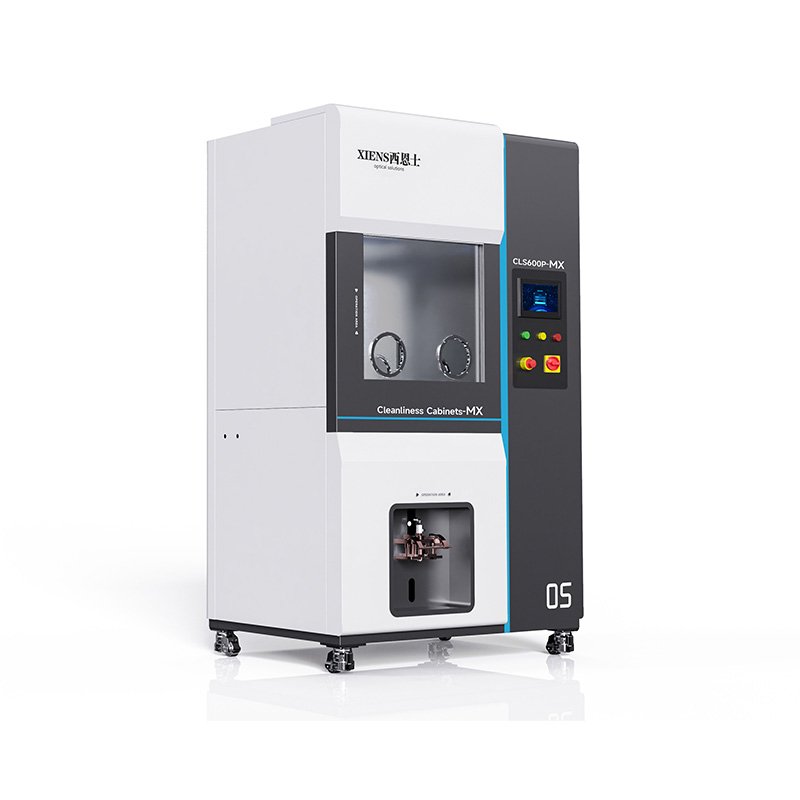
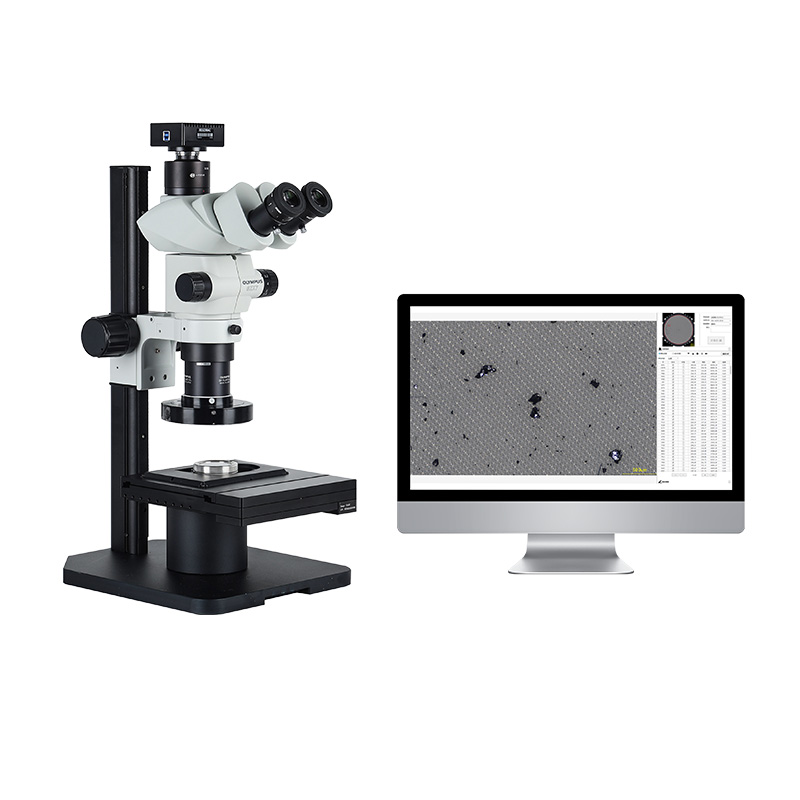
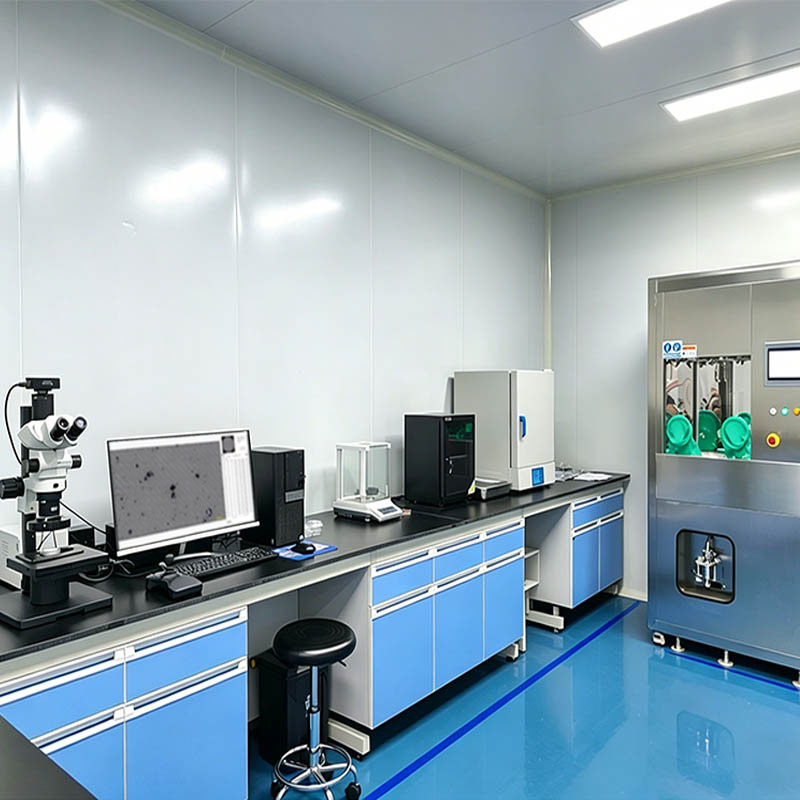
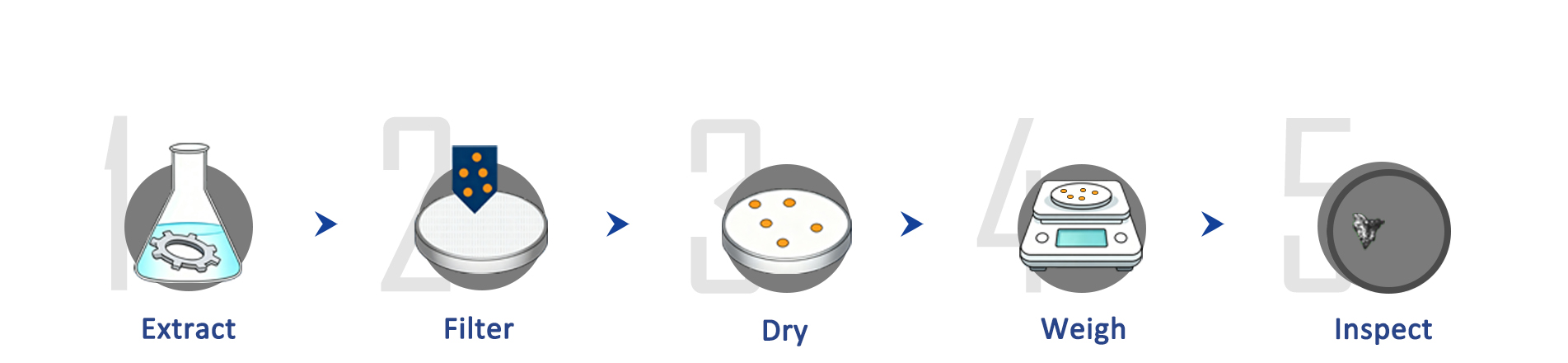
Technical cleanliness testing generally follows three main stages: extraction, filtration, and analysis. First, contaminants are extracted from component surfaces using methods such as pressure rinsing, ultrasonic extraction, or shaking. The extraction liquid is then passed through a microporous filter membrane to collect the particles. Finally, the particles retained on the membrane are examined using optical microscopy, scanning electron microscopy (SEM), or other suitable analytical techniques to determine their size, quantity, and characteristics, including whether they are metallic particles, non-metallic particles, or fibers.
The main difference lies in their control objectives and measurement methods. Conventional cleaning generally focuses on removing visible dirt, oil, and grease, with cleanliness often assessed qualitatively or semi-quantitatively. In contrast, technical cleanliness focuses on the quantitative control of microscopic particulate contaminants, such as metal and non-metal particles measuring approximately 5–1,000 μm. It evaluates parameters such as particle size, quantity, mass, and material characteristics to prevent contamination from impairing the performance or reliability of precision mechanical and electronic systems.



 IPv6 network supported
Leave A Message
Scan to Wechat :

Scan to Whatsapp :

 English
 Français
 Русский
 Español
 Português
 عربي
 Get A Quote