Microscopic Particles Determine Vehicle Safety: Why Technical Cleanliness Control Is Mandatory for Auto Components
In an era marked by rapid electrification and intelligent transformation across the automotive industry, vehicle reliability and safety requirements keep rising. One often-overlooked quality metric — technical cleanliness — has become a critical quality threshold for OEMs and their component supply chains. Standards including VDA 19.1 and ISO 16232 are widely adopted across powertrain, braking systems, high-voltage electric drives, fuel injection and precision hydraulic parts. Tiny contaminant particles are no longer seen as mere dirt; they are invisible culprits behind component failures and safety hazards.
Many industry buyers ask: If a part looks clean to the naked eye, why invest heavily in a dedicated cleanliness control system?
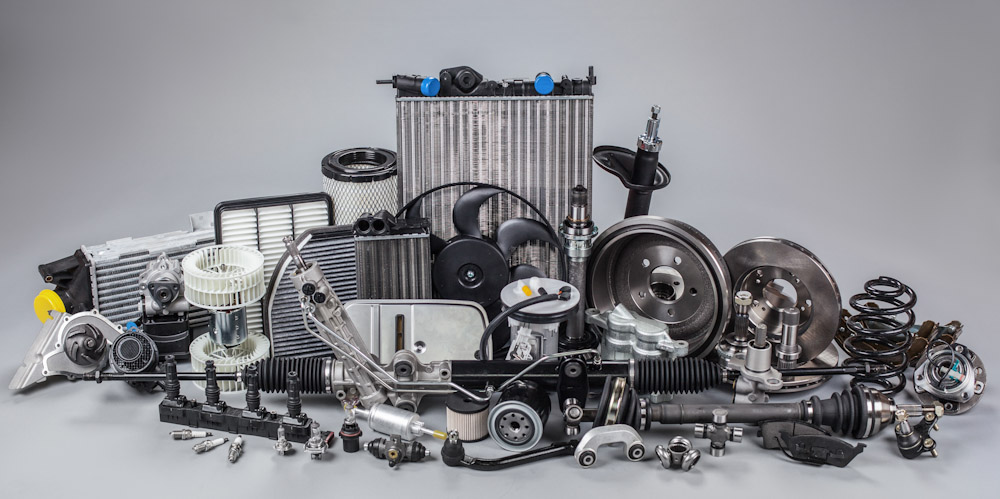
The answer lies in modern ultra-precision automotive designs, where mating clearances are reduced down to the micrometer range. Critical components such as high-pressure fuel injectors, solenoid valves, bearings, reduction gears and motor insulation layers are extremely vulnerable to metal chips, grinding dust, machining swarf and fibrous debris. Conventional filtration cannot reliably capture these ultra-fine particles.
For internal combustion vehicles, hard residual particles circulating within lubrication systems act like abrasive paste. They continuously scratch crankshafts, bearings, pistons and injector nozzles, leading to cylinder scuffing, valve sticking, poor fuel atomization, power loss and rough idling. In severe cases, they can trigger engine seizure or brake valve malfunction, creating dangerous driving conditions.
Risks are even more pronounced for electric vehicles. Conductive metal particles inside battery packs, high-voltage terminals or motor stators can degrade insulation, reduce creepage distances and cause internal short circuits — potentially leading to thermal runaway. Particles inside e-axle reducers cause bearing pitting, gear noise and reduced transmission efficiency, shortening the service life of the entire electric drivetrain.
Within today’s global automotive supply chain, the fallout from poor cleanliness control can be devastating. Non-compliant particle levels on a single component can trigger batch rework, OEM production line shutdowns, mass after-sales recalls and costly claims. For suppliers exporting to overseas automakers, a valid VDA 19.1 technical cleanliness report is a prerequisite for vendor approval. Strong cleanliness capabilities directly improve your competitiveness for international orders.
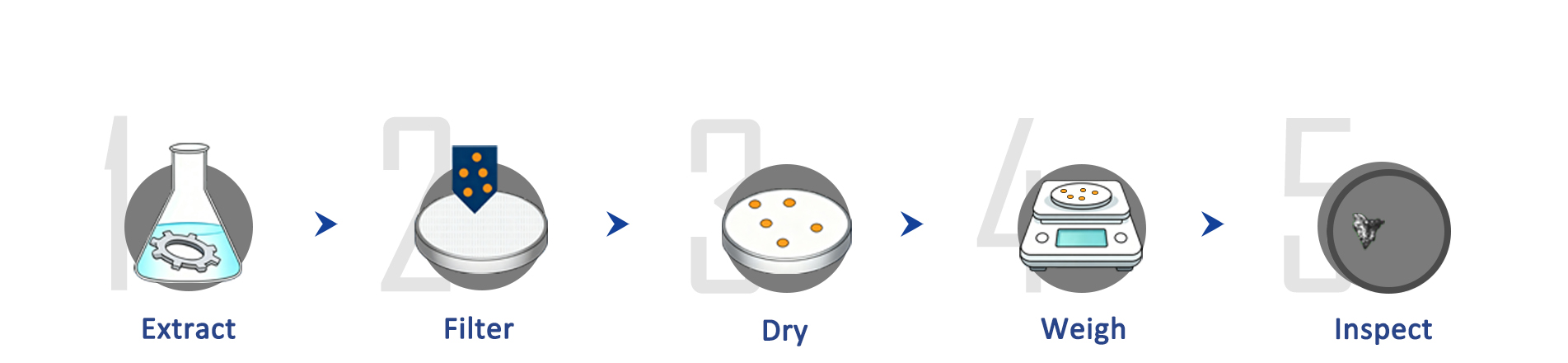
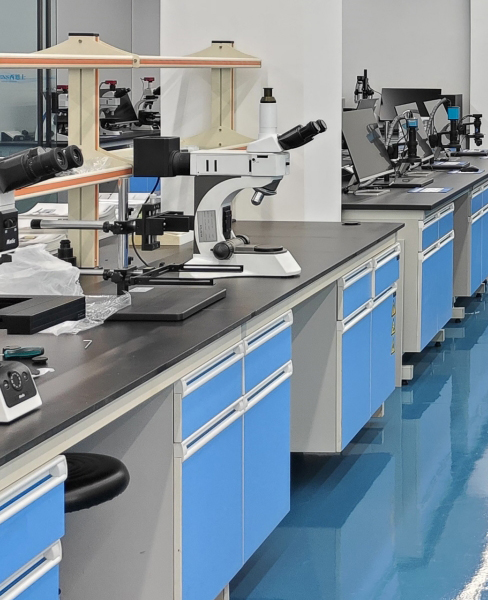
Technical cleanliness management is far more than final-part washing. It is an end-to-end quality system covering raw tube stock, machining, deburring, cleaning, handling, packaging and clean assembly. It also includes laboratory extraction, membrane analysis and particle sizing / material identification to trace contamination sources. Manufacturers must set up controlled clean zones, manage tooling and packaging materials, standardize operator workflows and deploy cleanliness testing equipment. Sampling and release procedures from incoming material through production to shipment block contamination at the source.
Industry specialists note that automotive competition has entered the micron-level quality era. Traditional inspection focused on dimensions and material hardness is evolving into a full assessment combining dimension, material, mechanical performance and technical cleanliness. For manufacturers supplying precision welded tubes, hydraulic pipes, valves and structural parts, building a standardized cleanliness system not only meets mandatory OEM specifications, but also cuts field failures, builds brand credibility and unlocks high-end overseas markets.
Looking ahead, the spread of autonomous driving, 800V high-voltage platforms and high-precision hydraulic chassis will lead to increasingly compact component layouts. Cleanliness limits will only grow stricter. Prioritizing technical cleanliness is ultimately how manufacturers safeguard vehicle safety, extend service life and build a robust quality moat within the automotive supply chain.
FAQ
Q1: What is the difference between VDA 19.1 and ISO 16232 in automotive technical cleanliness testing?
VDA 19.1 and ISO 16232 are widely used references for evaluating the technical cleanliness of automotive components. Both address particulate contamination, including particle extraction, analysis, and result evaluation. VDA 19.1 provides guidance on cleanliness inspection methods, while ISO 16232 establishes a framework for assessing particulate contamination in functional automotive components. The applicable method, acceptance limits, and reporting requirements should be determined according to customer specifications and the component's intended application.
Q2: How can manufacturers reduce particulate contamination in automotive components?
Manufacturers can reduce particulate contamination by controlling the entire production process, including raw material handling, machining, deburring, cleaning, assembly, and packaging. Regular technical cleanliness inspections using validated particle extraction methods, membrane filtration, and microscopic analysis help quantify contamination and identify its sources. Establishing component-specific cleanliness limits, controlling environmental and packaging contamination, and monitoring production trends can further improve compliance with OEM requirements and reduce the risk of component failure.
Please contact us for further inquiries or detailed information!
Tel:+86-13400008098
Email:sales@xiens.com
Web:www.xiens.com

 English
 Français
 Русский
 Español
 Português
 عربي
 Get A Quote




 IPv6 network supported