What is a blank test in technical cleanliness?
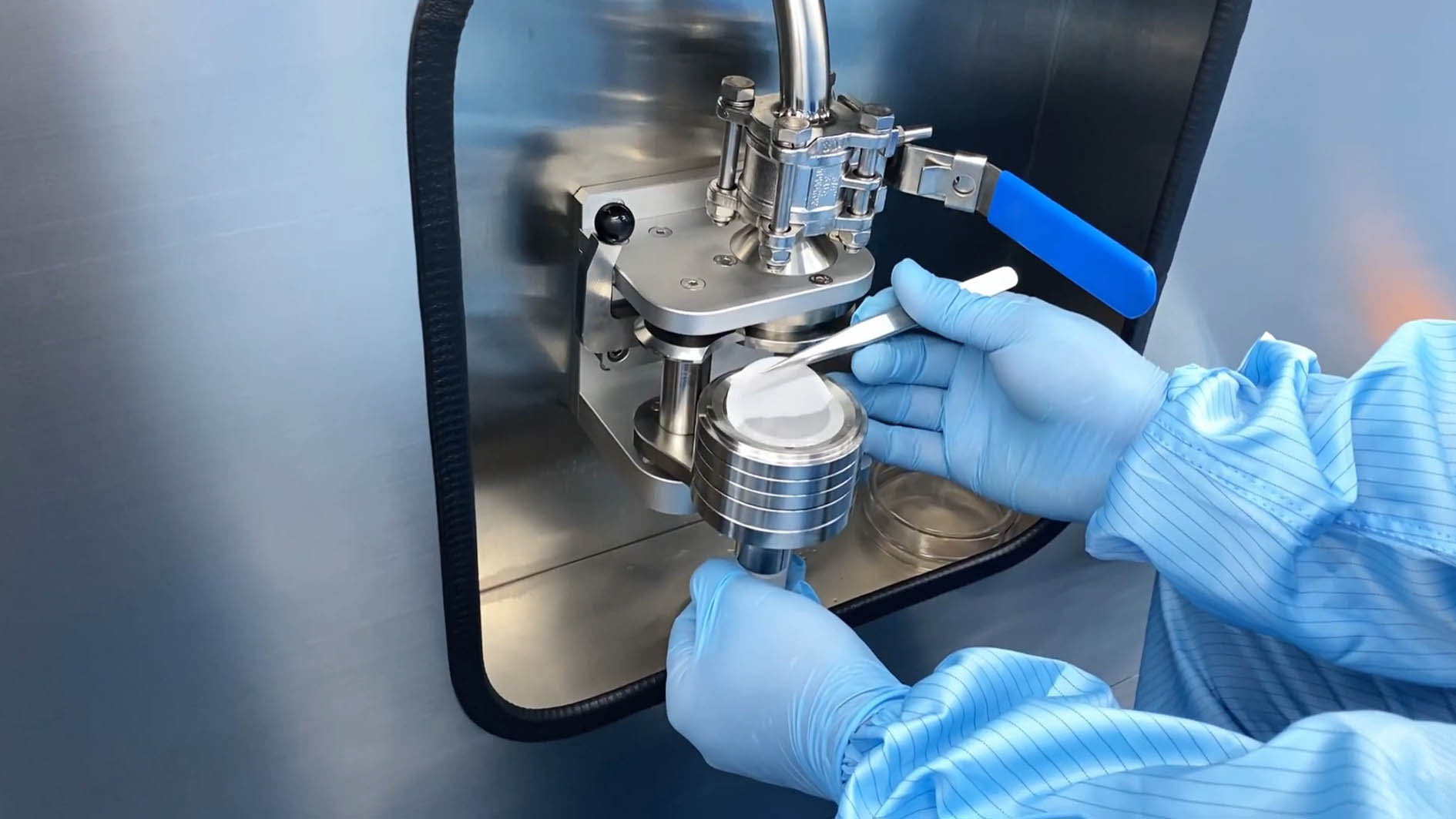
Executive Summary: A Blank Test (also referred to as a Blank Value Determination) is a foundational quality-assurance control in technical cleanliness testing across high-end manufacturing sectors, such as automotive, new energy, and aerospace. Conducted in accordance with international and industry standards—including ISO 16232, VDA 19.1, and QC/T 983-2025—a blank test involves executing the complete extraction and analysis sequence without a specimen (part-free run) under identical operational conditions. Its primary purpose is to quantify the background contamination introduced by the extraction equipment, cleaning solvent, ambient environment, filter media, and operator handling. The core criterion requires that the blank value does not exceed 10% of the actual measured sample value and contains no critical oversized particles. If the blank passes, it is deducted to calibrate the test results; if it fails, the sample data is invalidated.
1. Definition and Core Concept
Under ISO 16232:2018 and VDA 19.1:2018, a Blank Test is defined as a control test executed without placing any component in the extraction system while replicating the entire testing process, parameters, and operating conditions. The resulting particulate or gravimetric value represents the Background Contamination Level (or Systemic Blank).
The primary objective is systemic background trace-back: isolating external contaminants (introduced by solvents, equipment chambers, glassware, cleanroom environment, and handling) from the intrinsic contamination of the actual component.
2. Core Technical Purpose and Value
Quantifying Background Contamination for Data Calibration: Isolates non-component background noise to allow accurate blank deduction (Calibrated Result = Measured Sample Value − Blank Value).
Verifying Test System Compliance: Serves as a prerequisite gatekeeper. If the blank value exceeds the allowable threshold, the test environment or procedure is deemed out of control, invalidating all associated sample data.
Standardizing Baseline for Inter-Laboratory Comparability: Normalizes systemic variations across different test sites, equipment setups, and solvent batches to ensure cross-fleet and supply-chain data integrity.
3. Standardized Operating Procedure
Preparation: Pre-clean the extraction rig, clamping fixtures, and glassware. Use identical batches of solvents, membranes, and environmental settings (e.g., pressure, flow rate, cycle times, temperature, and humidity).
Specimen-Free Execution: Run the complete cleaning, extraction, filtration, and drying routine without inserting any component.
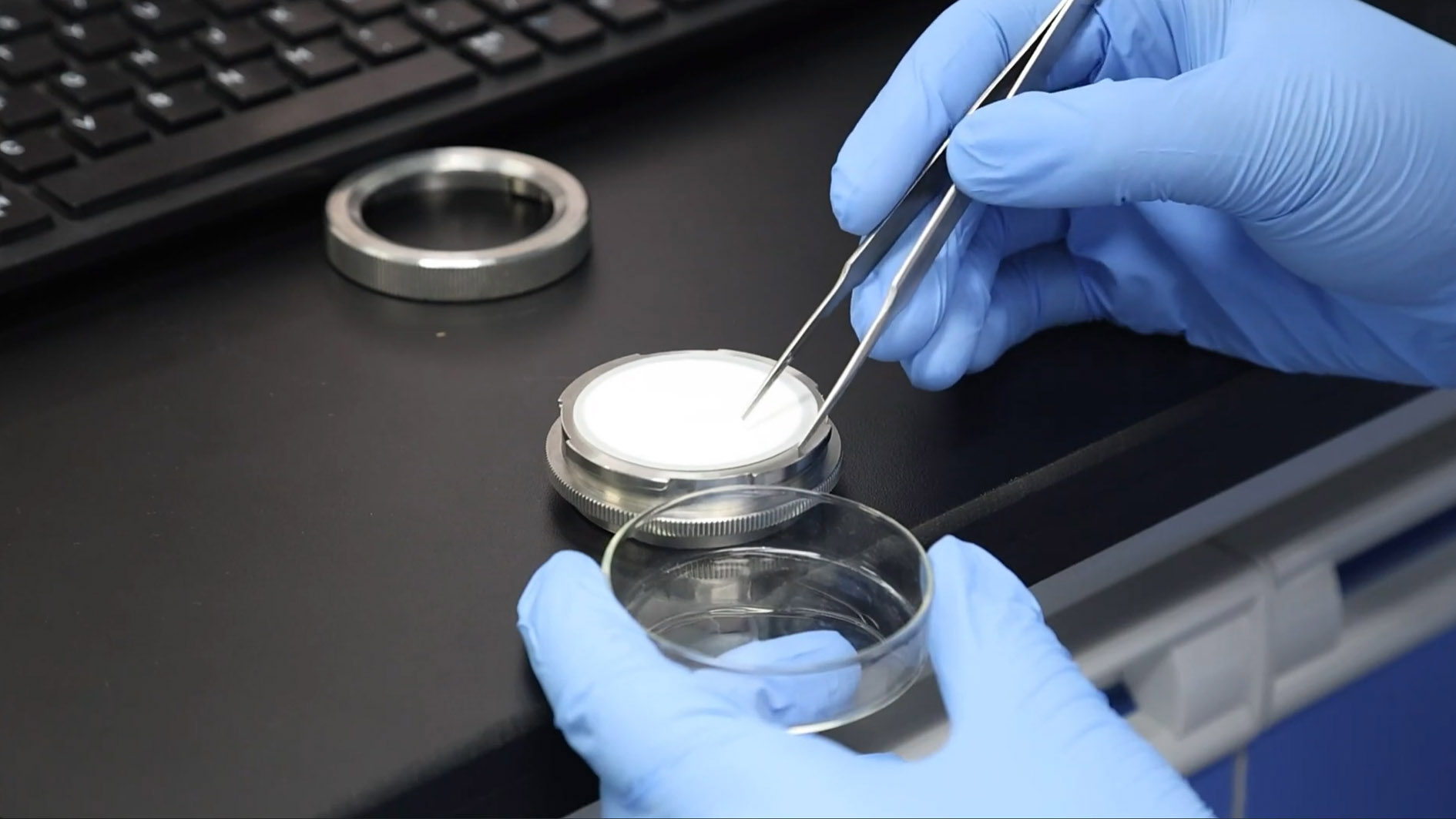
Sampling and Analysis: Filter the recovered solvent, dry the membrane, perform conditioning in a desiccator, and measure using gravimetric analysis (precision balance) and/or particle counting (optical/SEM analysis).
Data Logging and Repeatability Check: Record environmental parameters, component batches, and blank values. Ensure minimal variance between consecutive blank evaluations to verify systemic stability.
4. Acceptance Criteria and Decision Matrix
Core Acceptance Thresholds
10% Rule (Gravimetric & Particle Count): The blank value must not exceed 10% of the actual measured value of the sample (based on actual measured values, not the design drawing limit).
Critical Particle Limit: No prohibited or critical oversized particles (as defined by component engineering specifications) are permitted on the blank membrane.
Decision Rules
Pass (Blank ≤ 10% & No Critical Oversized Particles): System is validated. Subtract the blank value from the raw sample result to obtain the final calibrated value.
Fail (Blank > 10% or Critical Oversized Particles Present): The entire test batch is invalidated. Deducting an out-of-spec blank to mask systemic background contamination is strictly prohibited. The root cause must be resolved before re-testing.
5. Common Deviation Causes and Corrective Actions for Blank Tests
Exceeding blank values during actual testing is a high-frequency issue. Core drivers center around four dimensions: consumables, equipment, environment, and operation. Target corrective actions are outlined below:
Consumable Contamination
Causes: Substandard cleaning solvent purity, unsealed filter membranes after opening, or incomplete glassware washing.
Corrective Actions: Replace with high-purity HPLC-grade cleaning solvents; switch to brand-new, sealed filter membranes; use ≤0.45 μm (or ≤0.22 μm for high requirements) membranes to pre-filter solvents if necessary; subject all glassware to ultrasonic cleaning and dust-free drying to eliminate inherent consumable contamination.
Equipment Residual Contamination
Causes: Particulate matter or oil buildup from previous tests residing in fluid lines, flushing chambers, or work holding fixtures.
Corrective Actions: Execute deep purging sequences on the equipment prior to testing, extending solvent circulation flushing duration; periodically disassemble and clean blind spots; enforce mandatory equipment blank verifications after testing high-contamination samples, and establish equipment cleaning inspection logs.
Non-Compliant Environmental Cleanliness
Causes: Inadequate cleanroom rating, temperature/humidity imbalances, or excessive airborne suspended particles.
Corrective Actions: Perform routine maintenance on cleanroom HEPA filters, regulate ambient temperature and humidity, and turn on purification equipment prior to testing to ensure the environment meets ISO Class 5–7 cleanroom testing requirements.
Non-Standard Operations
Causes: Operators failing to wear lint-free garments, touching the effective filtration area of consumables or filter membranes, or simplifying procedures.
Corrective Actions: Standardize operator cleanroom workflows, strengthen pre-job training, and strictly enforce standardized testing protocols to prevent human-introduced contamination.
6. Engineering Application Scenarios and Execution Frequency
The blank test is a routine quality control measure in cleanliness testing rather than a one-time experiment. It must be conducted at fixed frequencies based on testing scenarios to ensure continuous system stability.
Routine Production Testing: One blank test must be completed daily prior to formal testing upon system startup to verify testing system compliance for the day.
Triggered by Condition Changes: A blank test must be conducted immediately whenever cleaning solvent batches, filter membrane lots, testing equipment, or testing locations change.
Post-Equipment Maintenance: A blank test must be re-conducted following deep equipment cleaning, maintenance, or restarts after prolonged downtime to confirm background compliance.
Quality Audits: Monthly or quarterly internal/external laboratory audits must include blank tests as a core verification item to audit testing capability stability.
Its application scenarios cover all sectors with technical cleanliness control requirements, including automotive engines, transmissions, braking systems, hydraulic components, new-energy battery precision structural parts, and aerospace precision components. It is a fundamental and critical testing method for quality control in high-end manufacturing.
7. Engineering Application Scenarios and Execution Frequency
The blank test is a routine quality control measure in cleanliness testing rather than a one-time experiment. It must be conducted at fixed frequencies based on testing scenarios to ensure continuous system stability.
Routine Production Testing: One blank test must be completed daily prior to formal testing upon system startup to verify testing system compliance for the day.
Triggered by Condition Changes: A blank test must be conducted immediately whenever cleaning solvent batches, filter membrane lots, testing equipment, or testing locations change.
Post-Equipment Maintenance: A blank test must be re-conducted following deep equipment cleaning, maintenance, or restarts after prolonged downtime to confirm background compliance.
Quality Audits: Monthly or quarterly internal/external laboratory audits must include blank tests as a core verification item to audit testing capability stability.
Its application scenarios cover all sectors with technical cleanliness control requirements, including automotive engines, transmissions, braking systems, hydraulic components, new-energy battery precision structural parts, and aerospace precision components. It is a fundamental and critical testing method for quality control in high-end manufacturing.
FAQ
Q1: Provided the blank test passes, why is it mandatory to deduct the blank value? Can raw testing data be used directly in reports?
A1: Raw data cannot be used directly in reports. According to VDA 19.1-1:2018 and ISO 16232 standards, the blank value represents inherent background contamination from the testing system, not component contamination. A passing blank test (≤10% of sample measured value) merely indicates that system interference falls within allowable standard error margins, not that background contamination is zero. Failing to deduct the blank value leads to artificially elevated cleanliness results, causing compliant parts to be misjudged as non-compliant and leading to batch scrap errors. Compliant blank deduction precisely isolates system interference, restoring the true cleanliness level of the component, and fully satisfies CNAS and OEM supply chain audit requirements. Only when the blank value exceeds limits is blank deduction strictly prohibited, requiring data invalidation and system rectification.
Q2: Why is the 10% blank limit benchmarked against the "Actual Measured Sample Value" rather than the "Engineering Drawing Limit"? What testing differences do these two benchmarks bring?
A2: Standard texts explicitly mandate using the actual measured sample contamination value as the benchmark, which serves as the official evaluation basis for ISO and VDA; engineering drawing limits are merely thresholds for product quality acceptance and do not apply to blank quality control evaluations. The core difference between the two is significant: if drawing limits are used as the benchmark, components with superior cleanliness whose actual values are far below drawing specifications would have their blank limits excessively relaxed. This allows system background non-conformance to pass, causing data distortion. Benchmarking against 10% of the actual measured sample value adapts to components of all cleanliness grades, accurately matching the real testing conditions of the current sample batch and strictly controlling system interference error. This is a core requirement for safeguarding measurement sensitivity and accuracy in precision component cleanliness testing, as well as a major evaluation item in laboratory system audits.

 English
 Français
 Русский
 Español
 Português
 عربي
عربي Get A Quote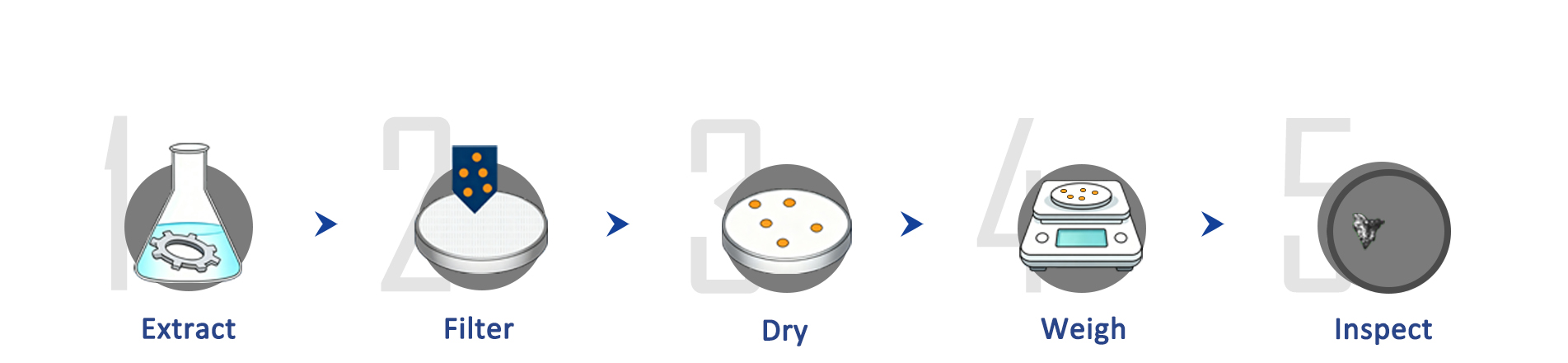




 IPv6 network supported