Technical Cleanliness Testing: Personnel Clothing Requirements for Reliable Test Results
Quick Overview
Why is personnel clothing important in technical cleanliness testing? Personnel can become a potential source of contamination through clothing fibers, hair, skin flakes, and dust carried on clothing. These contaminants may affect the sample condition, blank values, and particle test results.
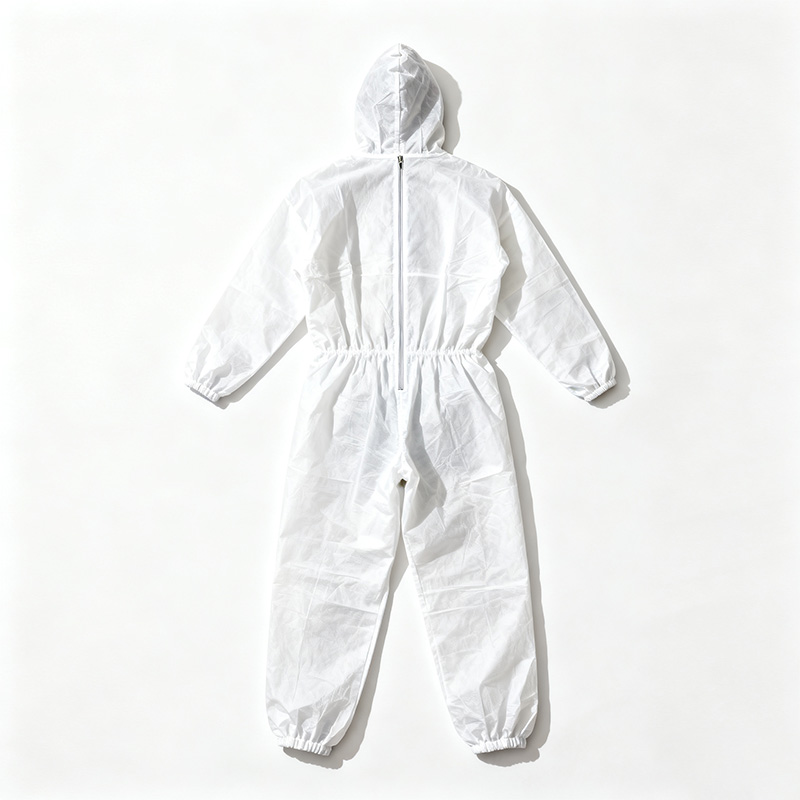
In technical cleanliness testing, personnel clothing should be selected according to the test object, environmental conditions, blank value requirements, and contamination risks. Common measures include low-shedding, low-lint cleanroom garments or dedicated workwear, together with clean hoods or caps, powder-free and low-shedding gloves, clean shoes or shoe covers, and masks when necessary.
It is important to note that ISO 16232 and VDA 19.1 do not specify one identical clothing combination that must be used by every technical cleanliness laboratory. Laboratories should establish suitable clothing, changing, and operating procedures through their own SOPs based on their specific testing conditions and quality requirements.
Personnel clothing is only one part of technical cleanliness contamination control. Reliable testing also requires environmental control, equipment maintenance, consumables management, blank value control, sample handling, and personnel training to achieve stable, repeatable, and traceable test results.
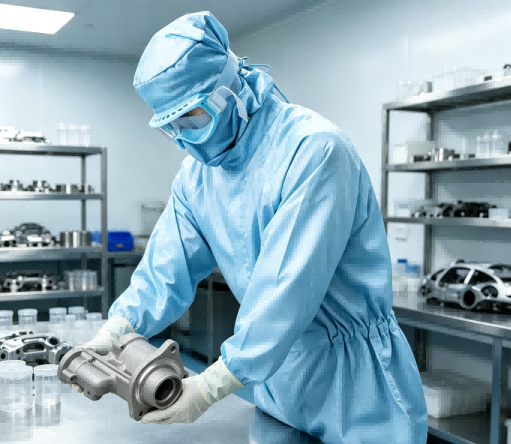
1. Why Can Personnel Clothing Affect Technical Cleanliness Test Results?
Human skin flakes, hair, fibers released from clothing, and dust carried on the body or clothing can become potential contamination sources during technical cleanliness testing. This is particularly important during open operations such as sample unpacking, pretreatment, particle extraction, and filtration.
If particles or fibers from personnel enter the sample, extraction system, or analysis filter membrane, they may increase background contamination or blank values. As a result, the measured particle count, particle size distribution, or particle mass may be higher than the actual level, affecting the representativeness and repeatability of the test results.
Common workwear, sweaters, fleece, and other garments that easily release fibers or carry dust should therefore be prevented from being directly exposed to critical testing areas where particle and fiber contamination is strictly controlled.
Technical cleanliness laboratories should establish appropriate personnel clothing and behavior requirements based on the test object, test method, environmental conditions, blank value requirements, and contamination risks. Standardized management can help minimize the influence of personnel on test results.
It should also be emphasized that ISO 16232 and VDA 19.1 do not require all technical cleanliness laboratories to use exactly the same personnel clothing configuration. Each laboratory can establish an appropriate clothing plan through its own SOP according to its testing conditions and quality control requirements.
2. Key Clothing Requirements for Technical Cleanliness Testing Personnel
The basic principle of personnel clothing management is to achieve low particle generation, low fiber shedding, reduced contamination risk, and compatibility with the cleanliness requirements of the testing area.
Depending on the laboratory environment and risk assessment, personnel clothing may include the following measures.
2.1 Dedicated Cleanroom or Low-Shedding Workwear
In testing areas with strict requirements for particle and fiber contamination, ordinary cotton, fleece, and knitted garments should not be directly exposed to critical testing areas. Depending on the laboratory's clothing plan, low-shedding, low-lint workwear or cleanroom garments can be used.
Clean garments also require proper management, including regular cleaning, appropriate storage, and condition checks. If a garment becomes visibly contaminated, damaged, or otherwise unsuitable for maintaining cleanliness, it should be replaced according to laboratory procedures.
Cleanroom garments should also be appropriately separated from ordinary workwear during storage and use to reduce the risk of cross-contamination.
2.2 Clean Hood or Hair Cover
Hair and skin flakes can become sources of particles and fibers in a technical cleanliness testing environment.
In areas where personnel particle and fiber contamination must be strictly controlled, clean caps or hoods can be used to cover the hair, particularly during critical operations such as sample preparation, particle extraction, and filtration.
If the laboratory SOP specifies hair covering requirements, personnel entering the designated testing area should follow the procedure to prevent exposed hair from becoming a potential contamination source.
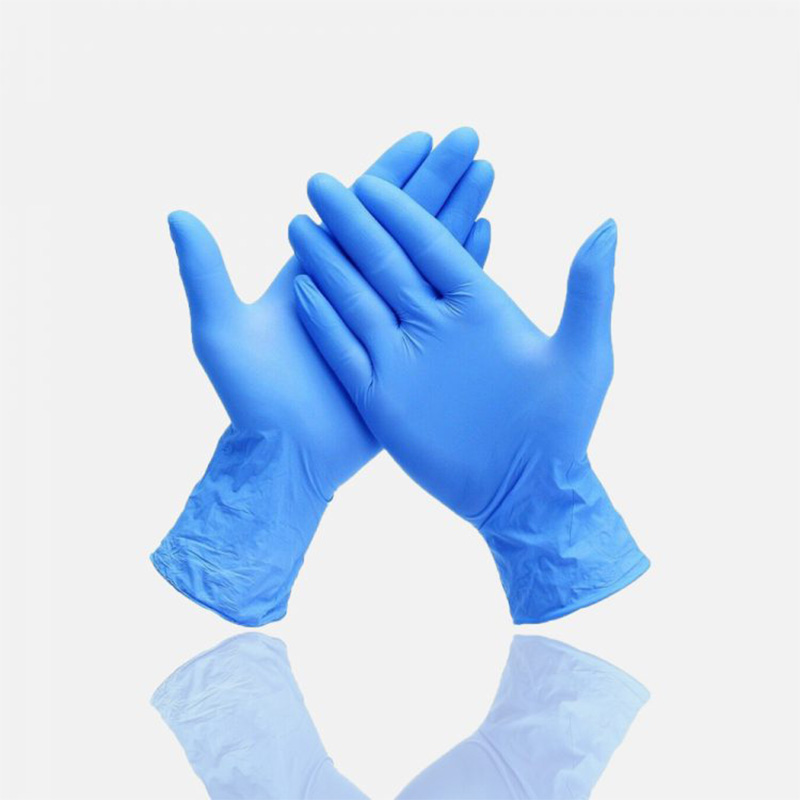
2.3 Powder-Free and Low-Shedding Gloves
Hands are one of the body parts most frequently involved in contact with samples, tools, and consumables. Glove management is therefore an important part of personnel contamination control.
When handling samples, filter membranes, clean containers, and other critical testing items, powder-free, low-shedding disposable gloves that are compatible with the testing medium are recommended. Nitrile gloves are a common choice in laboratories, but the actual glove material should be selected according to the extraction medium, chemical compatibility, and laboratory requirements.
It is also important to recognize that gloves themselves can carry particles. During testing, personnel should avoid touching mobile phones, door handles, ordinary keyboards, and other non-clean items while wearing gloves. Gloves should be replaced according to the SOP if they become contaminated, damaged, or come into contact with potential contamination sources.
2.4 Clean Shoes or Disposable Shoe Covers
When personnel move from a general production or working environment into a technical cleanliness testing area, shoe soles may carry dust, metal particles, and other external contaminants.
Depending on the laboratory's zoning and contamination control requirements, measures such as dedicated clean shoes, disposable shoe covers, designated changing areas, or buffer zones can be used to reduce the risk of bringing external contamination into the testing area.
For laboratories with different cleanliness zones, clearly defined personnel routes and area boundaries can also help minimize cross-contamination between general working areas and technical cleanliness testing areas.
2.5 Face Masks When Required
For open sample handling operations or testing environments with strict particle contamination control requirements, masks may be used according to risk assessment and laboratory SOPs. They can help reduce the impact of droplets and particles generated during breathing and speaking on samples and the testing environment.
However, masks should not automatically be regarded as mandatory equipment for all technical cleanliness testing personnel. Their use should be determined according to the specific laboratory environment, testing procedures, and contamination risk assessment rather than being interpreted as a universal mandatory requirement of ISO 16232 or VDA 19.1.
3. Key Misconception: More Clothing Does Not Necessarily Mean Better Cleanliness
Some laboratories may assume that wearing more layers of clothing provides better cleanliness protection. In reality, cleanliness control is not simply a matter of increasing the number of clothing layers.
If ordinary high-lint garments are worn under or over cleanroom clothing, they may actually increase the release of fibers and particles.
Personnel cleanliness control should focus on garment materials, cleanliness condition, wearing practices, maintenance frequency, and storage conditions.
For example, cleanroom garments that have not been properly cleaned for a long period, have been stored improperly, or are visibly contaminated may become contamination sources themselves. Laboratories should therefore establish appropriate requirements for cleaning, storage, inspection, and replacement of cleanroom garments.
4. Standard Procedure for Personnel Entering the Testing Area
Technical cleanliness laboratories can establish standardized changing and operating procedures according to their own SOPs. A typical process may include the following steps:
4.1. Maintain personal cleanliness before entering.
Personnel should minimize dust and other contaminants carried on the body, hair, and clothing.
4.2. Follow the laboratory's designated changing procedure.
Wear cleanroom garments, hair covers, shoe covers, gloves, and masks when required according to the requirements of the testing area.
4.3. Avoid contact with non-clean items after changing.
Before handling samples, filter membranes, and clean tools, personnel should avoid touching mobile phones, door handles, ordinary office supplies, and other potential contamination sources.
4.4. Minimize actions that may generate particles.
Once inside the testing area, unnecessary movement, shaking clothing, adjusting hair, and similar actions should be minimized to reduce the release of particles and fibers into the environment.
4.5. Replace contaminated or damaged protective items promptly.
If gloves, cleanroom garments, or other protective items become visibly contaminated or damaged, they should be replaced according to the laboratory SOP to prevent contamination from entering critical testing processes.
5. Establish a Comprehensive Contamination Control System
Personnel clothing management is not an isolated requirement in technical cleanliness testing. It is an important part of the overall contamination control system.
To obtain stable, repeatable, and traceable test data, personnel management should be combined with other quality control measures, including:
Environmental cleanliness control: Maintain appropriate particle background levels and environmental conditions in the testing area.
Consumables management: Ensure that filter membranes, containers, extraction media, and other consumables do not introduce additional contamination.
Equipment cleaning and maintenance: Regularly inspect and clean extraction equipment, filtration devices, and related testing equipment.
Blank value control: Use appropriate blank tests to identify potential background contamination introduced by the testing system or environment.
Sample handling procedures: Control contamination during sample unpacking, transportation, storage, and pretreatment.
Personnel training: Ensure that testing personnel understand proper clothing, sample handling, and contamination control procedures.
SOP management: Establish and continuously improve standard operating procedures according to the actual conditions of the laboratory.
Only by combining these measures can a comprehensive contamination control system be established, covering personnel, environment, equipment, consumables, and testing operations.
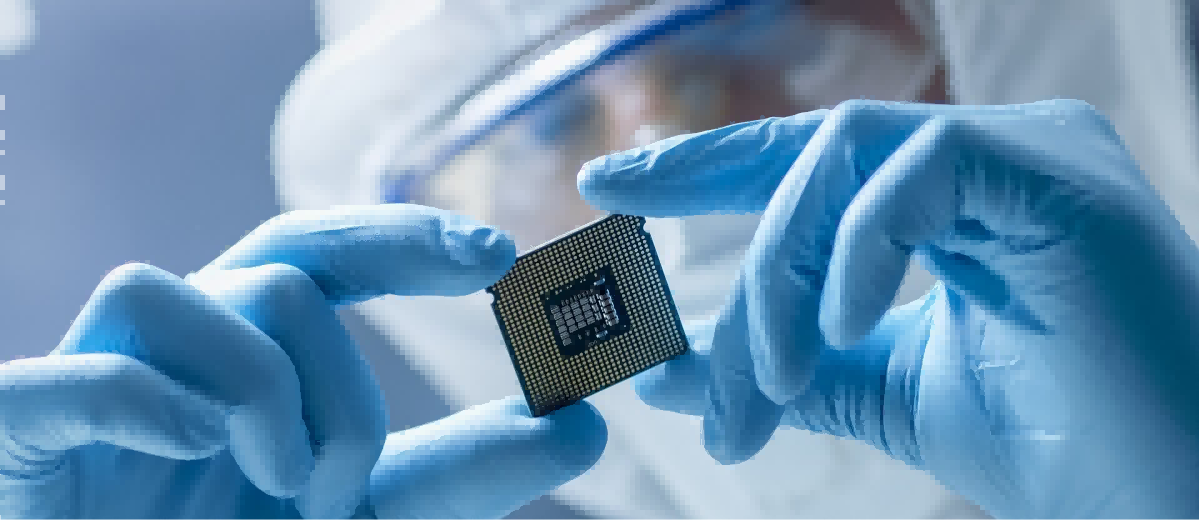
Conclusion
Technical cleanliness testing requires strict control of potential contamination throughout the testing process. Although personnel are not part of the testing equipment itself, clothing fibers, skin flakes, hair, and inappropriate handling practices can affect samples and the testing environment.
Proper personnel clothing, controlled behavior, and laboratory-specific contamination control procedures can help reduce the influence of human factors and provide a more representative assessment of the actual cleanliness condition of components.
For industries such as automotive components, new energy vehicles, hydraulic systems, precision machinery, and electronics manufacturing, personnel management is only one part of technical cleanliness quality control, but it is an important foundation for stable and reliable testing.
By integrating personnel clothing management with environmental control, equipment maintenance, consumables management, blank value control, and standardized testing procedures, laboratories can further improve the reliability, repeatability, and traceability of technical cleanliness test results.
FAQ
1. Do Technical Cleanliness Testing Personnel Always Need to Wear Cleanroom Garments?
Not necessarily. There is no single clothing configuration that applies to every technical cleanliness laboratory. Laboratories should establish personnel clothing requirements based on the test object, environmental conditions, blank value requirements, and contamination risks. In areas with strict particle and fiber contamination control requirements, low-shedding, low-lint workwear or cleanroom garments are generally recommended.
2. Why Are Powder-Free Gloves Used in Technical Cleanliness Testing?
Powder-free, low-shedding gloves can reduce the risk of skin flakes, sweat, and other contaminants from personnel coming into direct contact with samples. During testing, personnel should also avoid touching mobile phones, door handles, and other non-clean items with their gloves. Gloves should be replaced according to the laboratory SOP if they become contaminated or damaged.

 English
 Français
 Русский
 Español
 Português
 عربي
عربي Get A Quote






 IPv6 network supported