Why Techncial Cleanliness Extraction Equipment Is Indispensable for Modern Precision Manufacturing?
As global precision manufacturing grows more sophisticated, component cleanliness has become a critical benchmark for product reliability and safety. Strict standards like VDA 19 and ISO 16232 are now mandatory across industries, driving demand for fast, accurate, and repeatable contamination testing. Cleanliness extraction equipment has emerged as a vital quality control solution, streamlining the entire sample preparation process from component cleaning and particle extraction to contaminant collection on filter membranes. It eliminates the inconsistencies and inefficiencies of manual testing, delivering reliable results for high-end manufacturing quality assurance.
Adopting integrated pressure spraying, circulating flushing and ultrasonic extraction technologies, the system thoroughly removes micro-particles, metal debris, dust and oil contaminants from workpiece surfaces. All pollutants are collected in a fully closed environment to avoid secondary contamination, ensuring precise, stable and traceable test data that meets standardized industrial quality requirements.
Key Industry Applications
Cleanliness extraction equipment serves a wide range of high-precision sectors with strict contamination control demands:
Automotive Industry
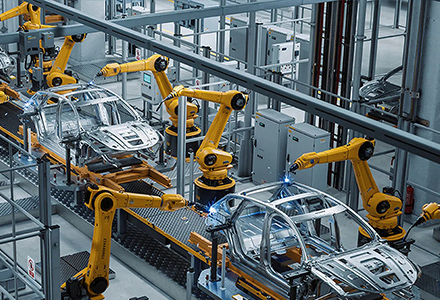
It is standard testing equipment for both traditional and new energy vehicles. The system inspects engines, transmissions, brake systems, hydraulic pipelines, motor housings and thermal management components, preventing particle-induced wear, blockage and functional failure while meeting official automotive cleanliness regulations.
Aerospace & Defense
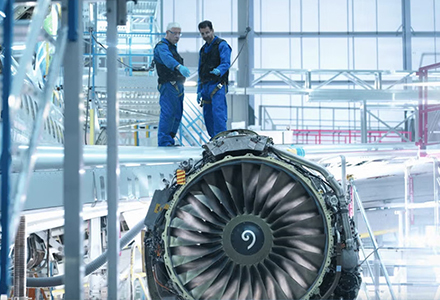
Aerospace hydraulic valves, servo actuators and flight pipeline components require extreme cleanliness. Even microscopic impurities can cause system stuck or failure. The equipment provides standardized, high-precision extraction solutions to guarantee the safety and stability of aviation equipment.
Semiconductor & Optoelectronics
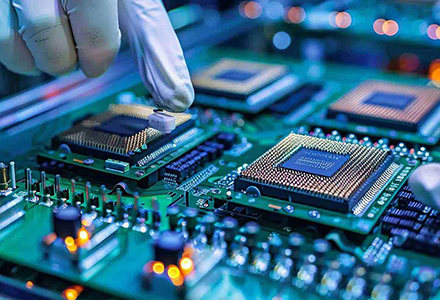
Operable in Class 100 clean environments, the device effectively eliminates secondary pollution during testing. It handles wafer carriers, lithography parts and packaging components, controlling micro and nano-scale contamination to improve semiconductor production yield.
Other Precision Fields
It is widely applied in medical devices, pharmaceutical equipment, precision hardware, engineering machinery and rail transit. It also supports environmental monitoring and material research by providing accurate pollutant sample extraction and analysis.
Smart & Green Technology Upgrades
With the advancement of smart manufacturing, modern cleanliness extraction systems have evolved from basic sample preparation to intelligent, automated and eco-friendly quality control platforms.
Full-process automation with robotic loading and unloading enables unmanned operation, including automatic extraction, filtration and membrane preparation, minimizing human error and improving testing consistency. Integrated online particle monitoring realizes real-time particle counting and size analysis, shifting quality control from offline sampling to in-process real-time supervision.
Seamless compatibility with SEM-EDS systems supports particle morphology, size and elemental analysis for accurate pollution source tracing. Connection with LIMS and MES systems achieves full-lifecycle digital data traceability, fully adapting to smart factory construction.
In terms of sustainable manufacturing, the equipment supports water-based and eco-friendly cleaning solvents, reducing organic emissions and operational risks. AI-powered intelligent analysis automatically identifies contaminant types and root causes, helping enterprises optimize production processes and improve overall quality management.
Outlook
As new energy, semiconductor, biomedical and high-end equipment industries continue to expand, precise cleanliness control has become a core competitive advantage in global manufacturing. Cleanliness extraction equipment will keep advancing toward higher precision, full automation, intelligent tracing and green operation, providing reliable quality control support for the upgrading of modern precision manufacturing worldwide.
FAQ
Q1: What industry standards do technical cleanliness extraction equipment mainly comply with?
A1: The equipment is primarily compliant with internationally recognized authoritative standards, including VDA 19 (technical cleanliness specification for automotive components) and ISO 16232 (international standard for automotive component cleanliness testing). It is also compatible with cleanliness control specifications for segmented industries such as aerospace, semiconductors, and medical devices. Its testing procedures, data accuracy, and sample collection methods fully meet standardized industrial testing requirements, delivering test results with universal applicability and authoritative credibility across the industry.
Q2: Is the equipment suitable for ultra-high cleanliness working conditions and testing of tiny precision components?
A2: Yes, it is fully applicable. The equipment can adapt to Class 100 cleanroom working environments and is specially designed for testing micro and nano-scale precision components. It can accurately extract trace contaminants including dust, metal micro-debris, and oil stains on the surface of wafer accessories, lithography components, miniature hydraulic valves, precision medical device parts and other workpieces. Capable of controlling micro and nano-level pollutants effectively, it solves the problems of incomplete detection and secondary contamination in the testing of tiny precision parts, and ensures the production yield and operational stability of high-end precision products.

 English
 Français
 Русский
 Español
 Português
 عربي
عربي Get A Quote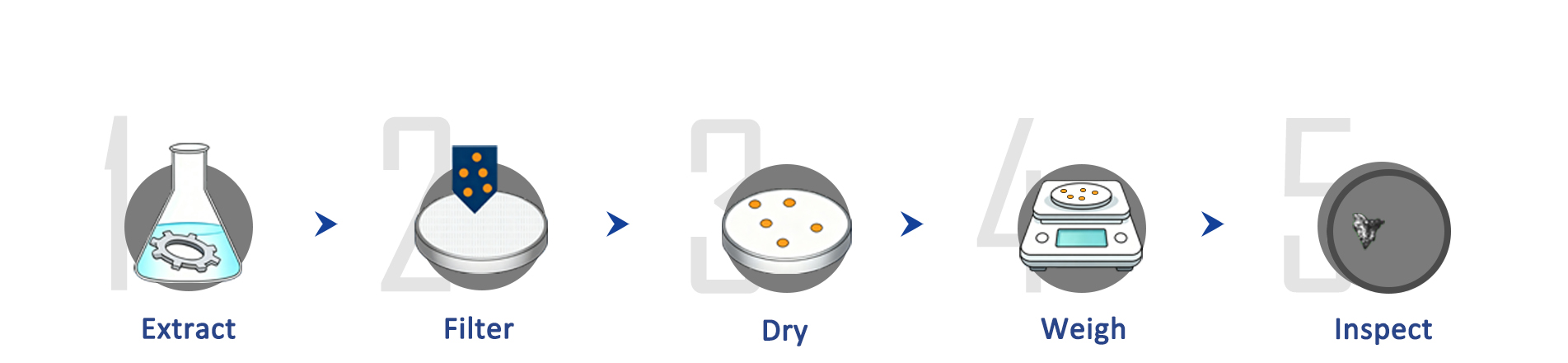



 IPv6 network supported