Liquid Cooling Contamination Control-Techincal cleanliness inspection
What is Liquid Cooling Contamination Control?
It refers to a comprehensive set of technologies, processes, and management systems designed to control various contaminants throughout the entire lifecycle of cold plate liquid cooling and immersion liquid cooling—covering coolants, piping, coolant channel pathways in liquid-cooled plates, and heat exchanger components. It is a critical quality control aspect for data centers, energy storage, new energy applications, and high-power electronics thermal management.
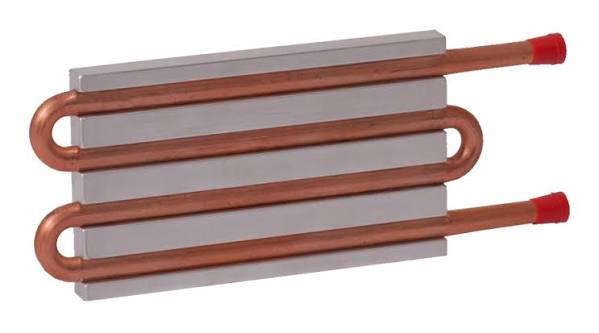
Four major categories of contaminants in liquid cooling contamination control:
1. Solid particles
Metal chips, welding slag, scale, dust, and fibers; easily clog microchannels 0.1–0.5 mm in diameter, leading to insufficient flow, localized chip overheating, and pump wear or leakage.
2. Organic contaminants
Cutting oil, rust preventive oil, flux, and adhesive leachates; adhere to pipe walls, forming insulating layers that increase thermal resistance and reduce heat dissipation efficiency.
3. Ionic contaminants
Water-soluble ions such as chloride and sulfate; induce electrochemical corrosion of aluminum and copper tubing, with corrosion byproducts causing secondary contamination of the coolant.
4. Microbial contaminants
Algae, bacteria, and biofilms; commonly found in water-cooling systems, resulting in sludge buildup in pipes and coolant degradation.
Two Major Sources of Contamination
1. External Contamination (Introduced During Production and Assembly)
Machining residues, welding remnants, assembly dust, and impurities introduced via coolant filling; controlled through precision cleaning of components before shipment.
2. Internal Contamination (Generated During Operation)
Metal corrosion in piping, debris from sealing gaskets, degradation of coolant additives, and long-term microbial growth; managed through online filtration, periodic fluid replacement, and proper water treatment chemical management.
Two Key Control Phases
1. Front-End Manufacturing Control
After processing, liquid cooling plates, piping, and fittings undergo high-pressure rinsing, ultrasonic cleaning, and drying. Cleanliness and particle levels are tested in accordance with VDA19.1/ISO16232 standards, ensuring impurity limits are strictly met before shipment.
2. Back-End Operations and Maintenance Control
Install precision filters in the circulation loop; regularly sample and test coolant for turbidity, conductivity, and particulate matter; perform routine fluid top-ups, drainage, and full-system flushing. For immersion liquid cooling, additional controls include monitoring cable and PCB leachables to prevent contamination of insulating coolant.
Loose liquid cooling contamination control poses the following risks:
1. Microchannel clogging → uneven flow, overheating of computing hardware leading to throttling and system shutdown.
2. Pipe wall scaling → reduced heat transfer efficiency and sharply increased data center energy consumption.
3. Ionic corrosion → pipe perforation causing fluid leakage and equipment short circuits.
4. Hard particles circulating and wearing down pumps and seals, accelerating leakage failures.

 English
 Français
 Русский
 Español
 Português
 عربي
عربي Get A Quote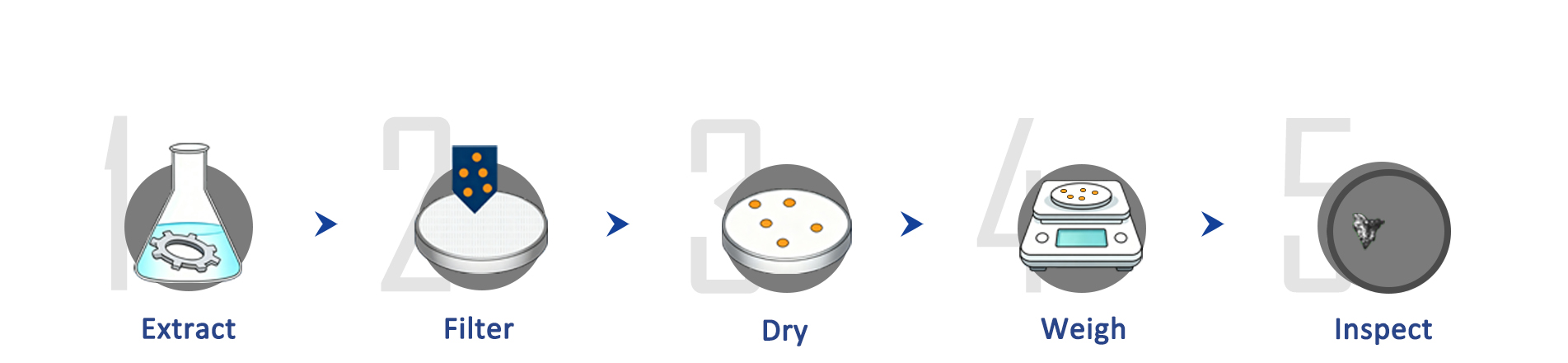




 IPv6 network supported