Why Technical Cleanliness Is Critical in the Automotive Industry
Quick Answers
Definition: Technical Cleanliness (ISO 16232 / VDA 19) is the quantitative and qualitative control of micro-contaminants (≤100μm) on component surfaces and internal cavities.
Core Risk: Micro-particles induce catastrophic failures, including EV battery thermal runaway, 800V high-voltage arcing, brake valve jamming, and ADAS sensor misjudgment.
Key Applications: Critical EV 3-Electric systems, precision hydraulics, high-pressure fuel injection, ADAS sensors, and thermal management loops.
Full-Lifecycle Control: Demands an end-to-end quality system spanning supplier IQC, ISO-classified cleanrooms, precision washing, SEM-EDS analysis, and vacuum packaging.
As the automotive industry accelerates its transition toward micron-level precision manufacturing, high-voltage electrification, and advanced intelligent systems, component tolerances and clearances continue to shrink. Critical systems—such as EV powertrains, high-voltage battery packs, precision hydraulics, and ADAS sensing components—now exhibit near-zero tolerance for micro-contaminants.
In this industrial landscape, Technical Cleanliness Solutions has long evolved beyond traditional superficial visual cleanliness. It has become a comprehensive quality control framework spanning R&D, machining, assembly, testing, and aftermarket service. Technical cleanliness directly dictates component operational reliability, overall vehicle safety, and EV battery thermal runaway risk—serving as an indispensable technical baseline, quality redline, and market-access standard for automotive OEMs and suppliers.
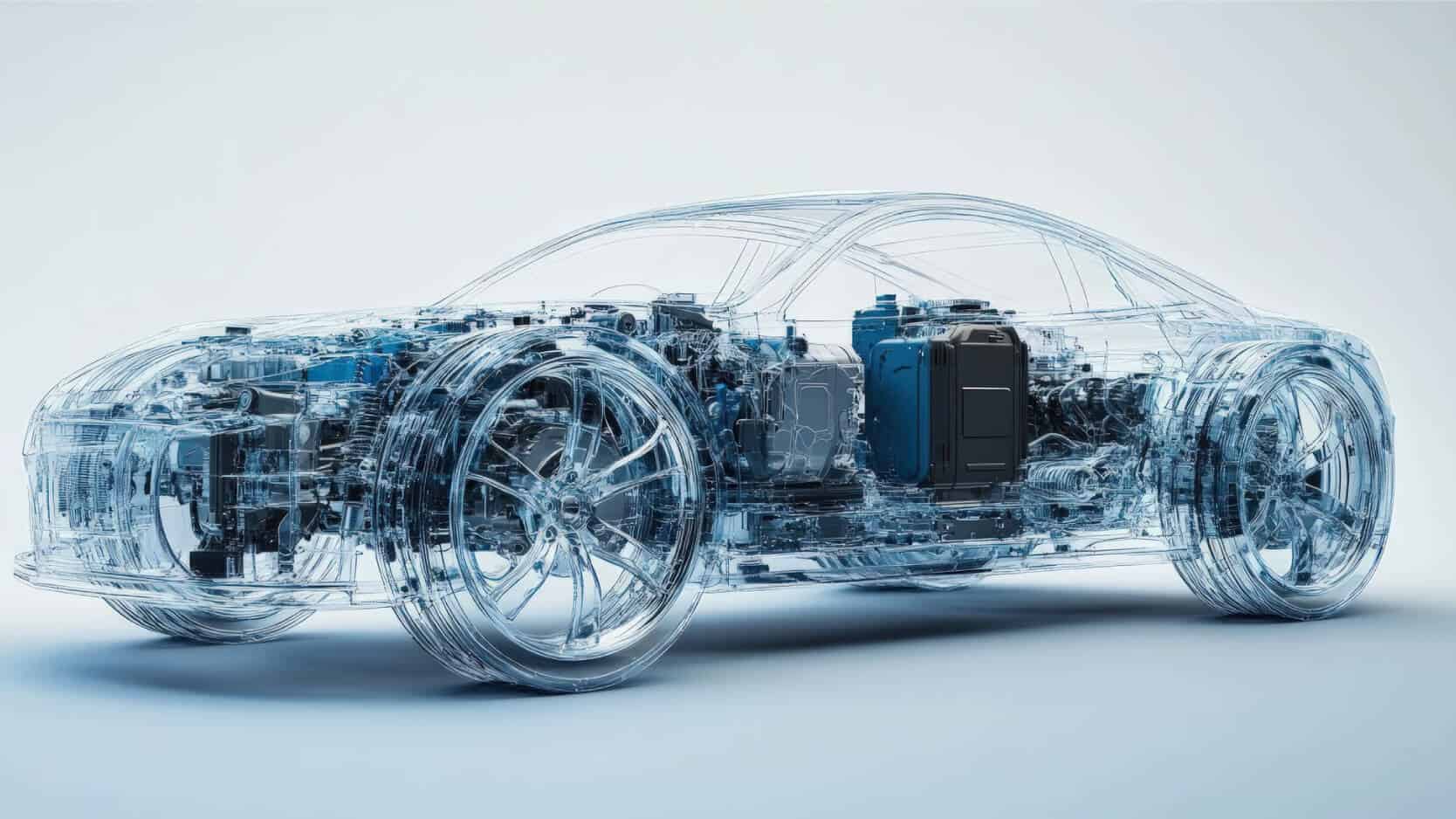
1. What Is Technical Cleanliness? Beyond Visual Cleanliness
Traditional industrial cleaning relies solely on qualitative benchmarks such as "free of visible dust or surface oil grease," lacking quantifiable control requirements. In contrast, Technical Cleanliness in the automotive industry refers to the quantitative, qualitative, and dimensional control of micron-scale particulate contaminants remaining on component surfaces, internal cavities, fluid circuits, and encapsulated housings, strictly governed by industry standards. Managed contaminants include metal cutting chips, grinding abrasives, hard mineral particles, non-metallic fibers, chemical residues, and other micro-foreign objects.
The core international standards governing this field are ISO 16232 (Road vehicles — Cleanliness of components of fluid circuits) and VDA 19 (Inspection of Technical Cleanliness - Particulate Contamination of Function-Relevant Automotive Components, including its latest VDA 19.1 revision). Together, these standards establish the gold standard for automotive cleanliness control.
Compared to legacy quality control, technical cleanliness targets extreme micro-scale precision: particles measuring only a few to tens of micrometers (μm)—far thinner than a human hair—can trigger catastrophic failures, including mechanical spool jamming, electrical insulation breakdown, or lithium-ion battery short circuits.
Technical cleanliness control evaluates three core metrics:Total Residual Mass: The overall weight of residual contaminants per component (mg/component).
Maximum Particle Size Limit (Smax ): Strict limits on the largest permissible particle size (leading OEMs enforce Smax ≤100 μm for critical parts).
Particle Material Properties: Qualitative classification distinguishing metallic/hard particles from soft fibers, enforcing the highest level of control on hard metallic debris due to its severe destructive potential.
2. Core Application Domains of Technical Cleanliness
Technical cleanliness is embedded throughout the automotive manufacturing lifecycle, focusing heavily on high-precision, high-voltage, high-speed, and perception-critical systems. It represents a cornerstone of quality management in New Energy Vehicles (NEVs) and Intelligent Connected Vehicles (ICVs):
2.1. EV Electric Powertrains (3-Electric Systems: Battery, Motor, Electronic Control)
Li-ion Battery Cells and Packs: Conductive metallic particles (e.g., copper and aluminum chips) generated during electrode slitting, casing stamping, and module assembly pose the single greatest threat to battery safety. Microscopic conductive particles can pierce ultra-thin cell separators, causing internal short circuits and thermal runaway.
Drive Motors & Inverters: With the mass adoption of 800V high-voltage architectures, sensitivity to contaminants has intensified. Metallic micro-particles or conductive fibers trapped in motor/inverter cavities significantly reduce dielectric strength, causing electrical arcing, tracking discharge, and eventual insulation breakdown or inverter burnout.
2.2. Precision Hydraulics & Chassis Braking Systems
ABS/ESP Brake Control Valves: Spool-to-housing clearances are engineered to micron scales. Trapped hard micro-particles prevent valve spools from resetting, locking fluid lines and causing delayed braking response or complete brake failure.
Automatic Transmission Control Units (TCU): Featuring intricate oil channels and high-precision solenoid valves, residual assembly debris or abrasive dust can clog fluid lines and jam solenoid valves, leading to shift shock, power interruption, and transmission fault codes.
2.3.Powertrains & High-Pressure Fuel Injection Systems
High-Pressure Common Rail Injectors: Operating under extreme fluid pressures of 2,000 to 3,000 bar , high-velocity fuel flows carrying micron-sized hard particles act like abrasive slurry. This causes severe erosion wear, nozzle scoring, fuel leakage, and poor atomization, resulting in engine misfires, carbon buildup, and power degradation.Engine Crankshafts, Bearings, and Turbochargers: Metallic debris and abrasive particles in the engine oil circulation loop continually wear down journal bearings and cylinder walls, leading to scuffing, cylinder scoring, and premature engine failure.
2.4. Autonomous Driving (ADAS) Sensing & Optical Systems
LiDAR, Automotive Cameras, and Radar Modules: Dust or airborne fibers encapsulated inside optical sensors block light paths, alter refractive indexes, and scatter light. This leads to image distortion, perception range degradation, and erroneous ADAS decisions, posing severe collision hazards.
2.5. Vehicle Thermal Management & Cooling Circuits
Battery Cooling Plates & Water Pumps: Machining debris, flux, or welding spatter inside cooling loops clog micro-channels and erode water pump impellers. This reduces battery cooling efficiency, causing severe temperature gradients, elevating thermal runaway risks, and compromising overall thermal management stability.
3. Catastrophic Failure Modes Caused by Non-Compliance
Micro-contaminants rarely cause immediate failures during factory end-of-line (EOL) testing. Instead, they exhibit latent, irreversible failure modes that manifest after thousands of kilometers of vehicle operation under mechanical vibration, thermal cycling, and electric field stresses:
Battery Thermal Runaway & Vehicle Fires (Critical NEV Risk)
Residual copper/aluminum burrs or micro-particles inside battery cells can directly puncture separators during charge/discharge expansion cycles. This creates an internal short circuit, releasing intense localized heat that triggers a catastrophic chain-reaction thermal runaway and vehicle fire.
Braking and Transmission System Failure (Direct Vehicle Safety Risk)
Hard particles trapped in the clearances of braking valve spools or transmission slide valves prevent proper valve actuation, leading to unexpected brake loss or power disengagement during driving.
Severe Powertrain Wear & Engine Failure (Core Functional Loss)
High-velocity particle erosion in common rail systems and continuous abrasive wear in oil circulation loops cause irreversible mechanical damage, including fuel injector failure, cylinder scoring, and turbocharger destruction.
Electrical Insulation Breakdown & System Burnout (Electrical Safety Hazard)
Under 800V high-voltage architectures, conductive micro-particles inside inverters, junction boxes, or motor housings easily induce flashovers and tracking phenomena under intense electric fields. This destroys the electrical insulation system, triggering high-voltage shutoff or component burnout.
ADAS Perception Failure & System Dysfunction
Optical sensor contamination causes image blurring and range measurement deviations, leading to false triggers or failures in ADAS features such as Lane Keep Assist (LKA), Autonomous Emergency Braking (AEB), and obstacle detection.
Batch Quality Incidents, Massive Financial Losses, and Brand Damage
Cleanliness defects are characteristically latent and systemic. A single non-compliant batch can lead to widespread vehicle recalls, incurring hundreds of millions of dollars in warranty claims, repair costs, and legal litigation, while severely eroding brand trust.
4. Why Technical Cleanliness Is an Industry Imperative
The evolution of technical cleanliness from a auxiliary cleaning process to a primary quality redline is driven by three key industry transformations:
Drastic Reduction in Component Tolerance Margins: Legacy ICE vehicles featured larger component clearances, lower system voltages, and high structural redundancy. Modern EVs rely on 800V architectures, micron-level valve clearances, sub-10-micron battery separators, and high-precision optics. The margin for contaminant tolerance has effectively dropped to zero.
Escalation of Failure Severity: Contamination in legacy systems typically caused minor issues like NVH (Noise, Vibration, Harshness) or localized wear. In modern EVs, conductive micro-particles trigger life-threatening events such as thermal runaway, electrical breakdown, and brake failure.
Elevated Regulatory and Market Access Barriers: Leading OEMs now enforce corporate cleanliness standards far stricter than general ISO 16232 / VDA 19 Analysis System guidelines. Technical cleanliness compliance has become a mandatory prerequisite for Tier-1/Tier-2 supplier qualification and vehicle mass-production launch.
5. End-to-End Control Framework for Technical Cleanliness
Achieving technical cleanliness requires a closed-loop quality management system spanning the entire supply chain and manufacturing lifecycle:
Source Contamination Prevention: Enforce strict incoming quality control (IQC) on raw components from suppliers. Optimize machining operations through chipless manufacturing and integrated deburring processes to reduce micro-contaminants at the source.
Cleanroom Environment Control: Execute core assembly and washing operations inside classified cleanrooms (ISO Class 5 to 8, compliant with VDA 19.2). Rigorously control ambient temperature, humidity, and airborne particulate concentrations while utilizing lint-free apparel and sealed transport containers.
Precision Washing Deployment: Implement customized cleaning methods based on component geometry, including high-pressure solvent spraying, ultrasonic cavitation cleaning, vacuum hydrocarbon degreasing, and particle-free hot-air drying.
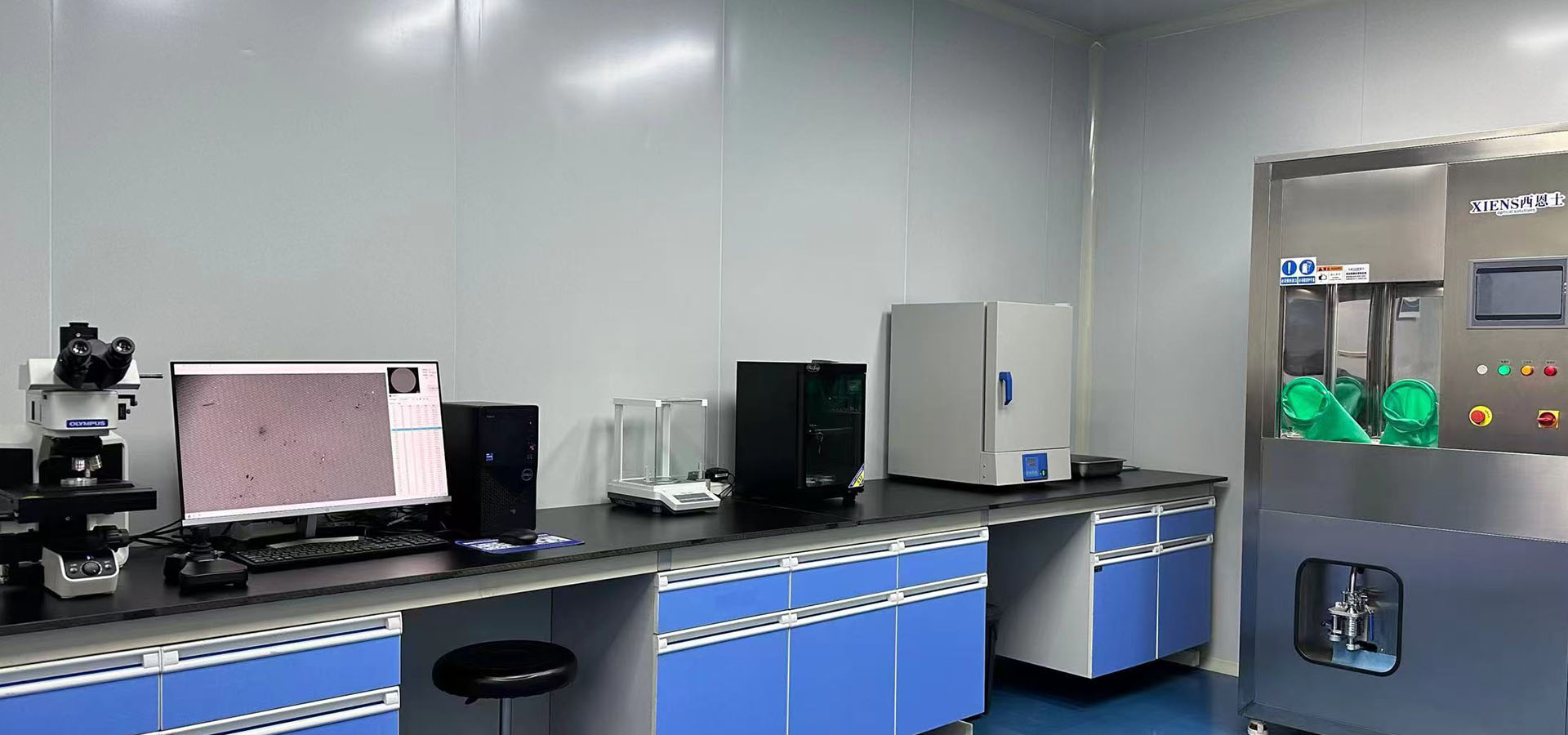
Standardized Analytical Inspection: Conduct extraction testing using liquid agitation or pressure rinsing over membrane filters. Analyze filters using Automated Optical Microscopy and SEM-EDS (Scanning Electron Microscopy - Energy Dispersive X-ray Spectroscopy) to quantify particle counts, size distributions, and metallic/non-metallic compositions.
Closed-Loop Protection & Traceability: Immediately vacuum-seal cleaned components in anti-static, particle-free packaging. Maintain digital traceability logs from production through storage to enable rapid root-cause analysis if issues arise.
6.Key Industry Implementation Challenges
Despite widespread adoption, the automotive industry faces four major implementation bottlenecks:
High Latency & Inspection Difficulty: Micron-scale particles are randomly distributed and escape standard EOL testing, manifesting only after prolonged road vibration and fluid flow.
Supply Chain Capability Disparities: While OEMs and Tier-1 suppliers maintain advanced cleanroom infrastructure, lower-tier (Tier-2/Tier-3) suppliers often lack modern washing equipment, cleanroom controls, and analytical tools.
Balancing Quality Against Capital Expenditure: Establishing ISO-certified cleanrooms and purchasing high-end SEM-EDS analytical systems require significant capital expenditure (CapEx) and increase operational cycle times.
Standard Fragmentation: OEMs frequently enforce proprietary, hyper-specific cleanliness limits on top of ISO 16232 / VDA 19 baselines, forcing suppliers to manage multiple, conflicting cleanliness protocols.
7. Conclusion & Industry Outlook
The evolution of the automotive industry is fundamentally a story of increasing manufacturing precision and stricter quality benchmarks. We have entered an era where micron-scale particles dictate overall vehicle reliability, and microscopic cleanliness guarantees passenger safety.
As electrification, high-voltage architectures, and autonomous driving technologies continue to mature, technical cleanliness has established itself alongside dimensional tolerance, material strength, and assembly precision as a core engineering redline.
For OEMs and automotive suppliers, technical cleanliness is no longer an isolated washing step—it is a comprehensive engineering discipline spanning material sourcing, precision machining, cleanroom assembly, analytical testing, and protective packaging. Adhering to rigorous technical cleanliness standards is both the baseline for mitigating recall risks and the key differentiator for building premium, high-reliability vehicles.
Q1: What are the core technical cleanliness standards in the automotive industry, and how do ISO 16232 and VDA 19 differ?
A: Automotive technical cleanliness inspection primarily relies on two authoritative global benchmarks: ISO 16232 (Road vehicles — Cleanliness of components of fluid circuits) and VDA 19 (Inspection of Technical Cleanliness - Particulate Contamination of Function-Relevant Automotive Components, including the latest VDA 19.1 and VDA 19.2 revisions).
Evolution and Interconnection: VDA 19 served as the foundational blueprint for automotive contamination control, while ISO 16232 was developed based on the VDA 19 framework to establish a global standard. Both standards utilize identical testing methodologies, including pressure liquid extraction, vacuum membrane filtration, and particle characterization via automated optical microscopy and SEM-EDS (Scanning Electron Microscopy - Energy Dispersive X-ray Spectroscopy).
Scope and Focus Differences:
ISO 16232 focuses specifically on extracting, measuring, and gravimetrically rating particulate contamination inside fluid circuit components (e.g., fuel rails, hydraulic valve bodies).
VDA 19 provides a broader quality management ecosystem. While VDA 19.1 governs inspection procedures, VDA 19.2 focuses on controlling logistics and assembly environments, establishing guidelines for cleanroom classification (ISO Class 5–8), airborne dust monitoring, and contamination mitigation during production.
OEM Industry Execution: Leading global automakers (such as Tesla, BMW, and Volkswagen) enforce corporate cleanliness limits built upon ISO 16232 and VDA 19 baselines.These standards strictly cap the maximum particle size limit ( Smax≤100μm for critical parts) and impose near-zero tolerance on hard conductive metallic debris.
Q2: Why do New Energy Vehicles (EVs) require significantly higher technical cleanliness levels than internal combustion engine (ICE) vehicles?
A: Electric powertrains, high-voltage battery architectures, and ADAS optical sensors exhibit near-zero tolerance for micro-contaminants. In EVs, particle contamination escalates from simple mechanical wear to life-threatening safety hazards:
Preventing Li-ion Battery Internal Short Circuits and Thermal Runaway: Lithium-ion battery separators are often less than 10μm thick. Conductive metallic burrs or copper/aluminum particles generated during electrode slitting or cell assembly can puncture the separator during charge/discharge expansion cycles, triggering internal short circuits and thermal runaway fires.
Mitigating Dielectric Breakdown in 800V High-Voltage Architectures: In 800V EV platforms, high electric field intensities inside drive motors, inverters, and high-voltage junction boxes increase the risk of electrical failure. Conductive micro-particles or metallic fibers floating in high-voltage cavities can induce electrical arcing, tracking discharge, and flashovers, causing immediate power shutoff or inverter destruction.
Ensuring Precision in Autonomous Driving (ADAS) Optics: LiDAR modules, automotive camera assemblies, and radar housings require ultra-clean assembly conditions. Microscopic dust or fibers encapsulated within optical sensors alter light refraction and block optical paths, leading to perception range degradation and false triggers in autonomous driving systems.

 English
 Français
 Русский
 Español
 Português
 عربي
عربي Get A Quote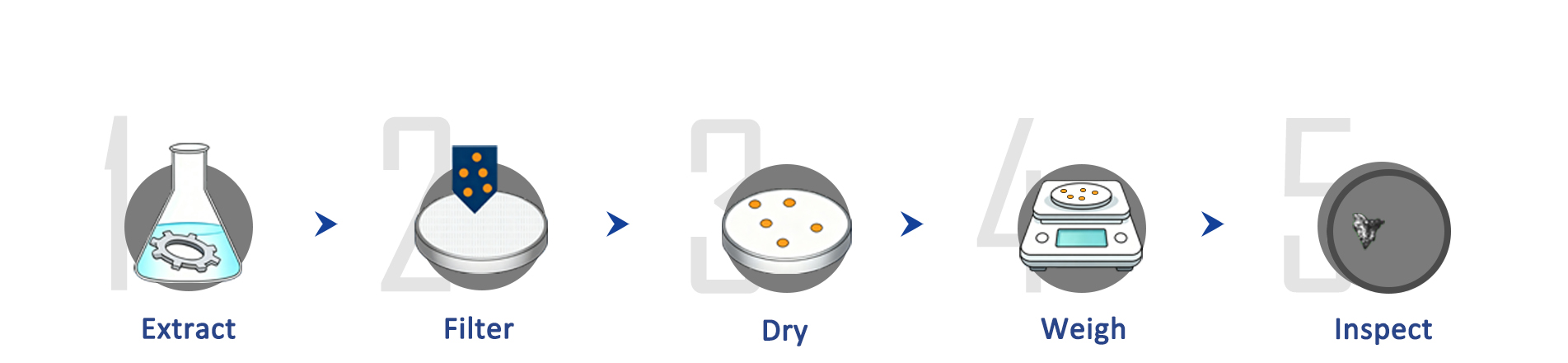




 IPv6 network supported