What are the main standards included in ISO 16232 cleanliness?
ISO 16232 cleanliness is a standard developed by the International Organization for Standardization (ISO) for evaluating the cleanliness of surfaces of machinery, equipment and components, covering contaminants including particulate matter, oil stains, moisture, chemical substances, etc. This standard is divided into 5 grades to describe the impact of the quantity and size of residual contaminants on component surfaces on equipment performance. It is typically applied in industries including automotive, medical, pharmaceutical and other sectors to ensure that the cleanliness of equipment and components meets specification requirements.
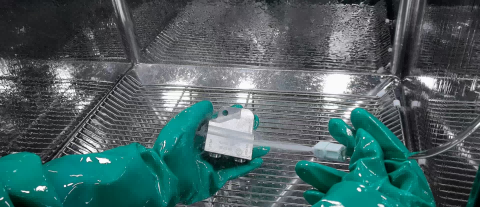
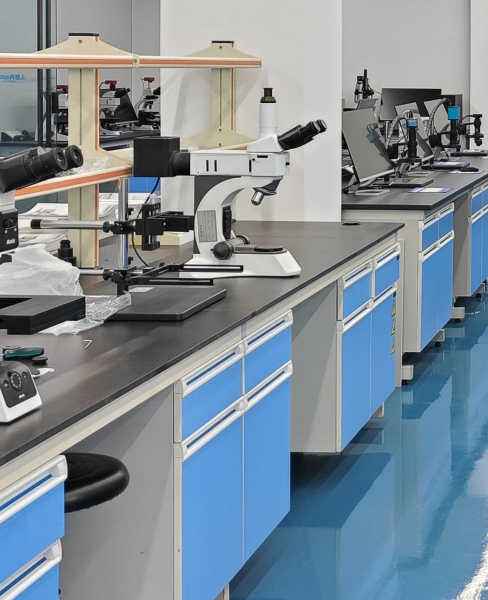
The ISO 16232 standard requires that the composition and surface morphology of samples be assessed via visual inspection, microscopic examination or photographic inspection. These assessments are used to determine the cleanliness level of samples. The standard also specifies the removal of surface contaminants that may interfere with test results using a vacuum cleaner or compressed air.
Numerous factors can affect the cleanliness of samples, including material type, tolerance requirements during manufacturing, transportation and storage conditions, among others. This is why the standard mandates the establishment of detailed testing procedures to ensure that all samples can meet the specified cleanliness requirements.
The ISO 16232 cleanliness standard is divided into two grading systems: DIN and SAE. The DIN grade is applicable to consumables and certain mechanical components, such as electrical connectors and wire harnesses. The SAE grade applies to lubrication systems and other mechanical components. An appropriate grade shall be selected for testing in accordance with specific requirements to ensure that samples meet the specified cleanliness requirements. The standard consists of three main parts:
1. ISO 16232-1:2007, Road vehicles and off-highway machines - Methods of particle counting for cleanliness assessment — Part 1: General introduction and simplicity test.
2. ISO 16232-2, Road vehicles and off-highway machines - Methods of particle counting for cleanliness assessment — Part 2: Test method testing.
3. ISO 16232-3, Road vehicles and off-highway machines - Methods of particle counting for cleanliness assessment — Part 3: Filter analysis method using optical particle counting.
In the automotive manufacturing industry, all manufacturers are required to comply with the ISO 16232 standard. The implementation of this standard contributes to guaranteeing the standardization and consistency of products. This is why numerous automotive manufacturers conduct ISO 16232 testing to ensure the quality and performance of their products.
The ISO 16232 standard constitutes an essential component of the automotive manufacturing industry. This standard serves as a critical factor in ensuring the durability, reliability and safety of vehicles. Therefore, compliance with the ISO 16232 standard is mandatory to guarantee the standardization and consistency of cleanliness requirements.
FAQ
Q1: What is the standard notation format for defining cleanliness levels under ISO 16232?
Cleanliness requirements under ISO 16232 are defined by the Component Cleanliness Code (CCC).
It applies size classes from B (5 μm ≤ x <15 μm) through N (>3000 μm), paired with cleanliness level numbers ranging from 00 to 24. Levels represent maximum permissible particle counts normalised either to component surface area (reference: 1000 cm², prefix A) or wetted internal volume (reference: 100 cm³, prefix V).
A practical example:
CCC = V (B15/C14/D10/E‑K00)
This code specifies allowed particle concentrations for each defined particle�size bin.
Q2: What primary extraction methods does ISO 16232 specify for removing residual particles from component surfaces?
A2: ISO 16232-2:2018 defines five liquid-based extraction techniques: pressure-rinsing, ultrasonic vibration, internal rinsing, agitation, and functional test-bench extraction. For parts incompatible with liquid media, two air-based extraction procedures are also standardised: air-jet extraction and air through-flow extraction.
Vacuuming is not a standardised extraction method within ISO 16232.
Liquid‑based extraction requires filtered test liquids (0.2‑1 μm) to transfer particles onto analysis membranes. Air‑based extraction uses dedicated particle‑collection workflows and does not employ test liquids.

 English
 Français
 Русский
 Español
 Português
 عربي
عربي Get A Quote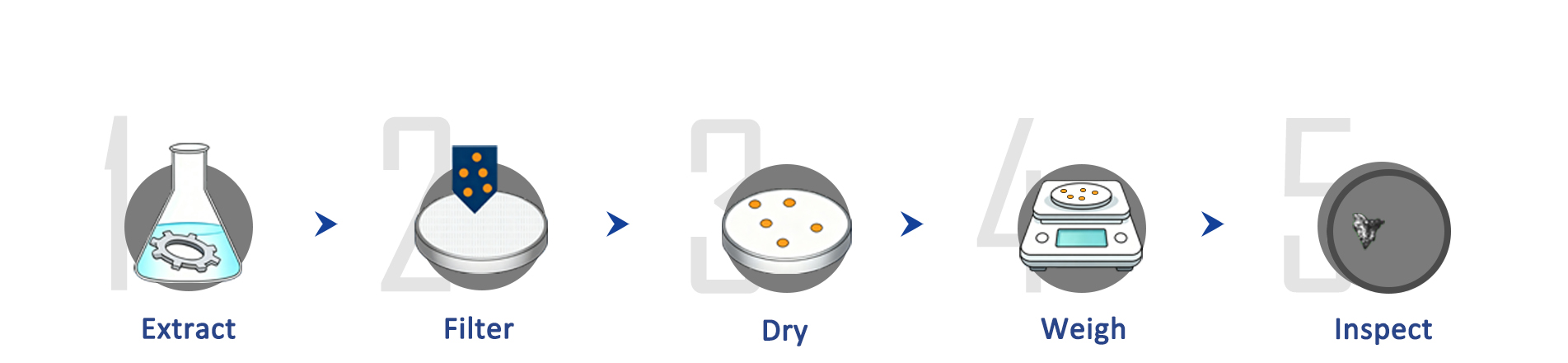




 IPv6 network supported