Cleanliness Testing Equipment: Safeguarding Quality
In modern industrial production, cleanliness is a crucial indicator of product quality. Whether it's precision electronic components, medical devices, or automotive parts, even minute contaminants can affect product performance and lifespan. Therefore, cleanliness testing equipment plays a vital role in quality control. These devices, through high-precision testing technology, ensure that there are no residual contaminants on or inside the product surface, thus providing perfect quality assurance.
Core Technologies of Cleanliness Testing Equipment
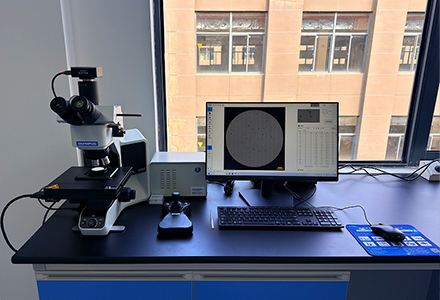
The core of cleanliness testing equipment lies in its high-precision testing technology. Common testing methods include optical microscopy, laser scanning, gravimetry analysis, and particle counting. Optical microscopy allows for high-magnification observation of tiny particles; Combining with image analysis software, it can accurately identify the size, shape, and distribution of contaminants. Laser scanning technology uses a laser beam to scan the sample surface, detecting contaminants through changes in reflected light signals, suitable for rapid, non-contact testing. Gravimetry analysis calculates the mass of residual contaminants by weighing, suitable for detecting larger particles or oil stains. The integrated application of these technologies enables cleanliness testing equipment to adapt to the needs of various industries, ensuring the accuracy and reliability of test results.
Applications of Cleanliness Testing in Key Industries
Cleanliness testing equipment plays a crucial role in several key industries. In the automotive manufacturing sector, engine parts and fuel system components must undergo rigorous cleanliness testing to ensure their long-term operational reliability. In the electronics industry, the cleanliness of semiconductors and circuit boards directly affects the conductivity and lifespan of products, thus requiring highly sensitive testing equipment. The medical device industry has even stricter cleanliness requirements; any residual particles or chemicals could harm patients, necessitating verification using high-precision cleanliness testing equipment. These application scenarios fully demonstrate the importance of cleanliness testing equipment in ensuring product quality.
Future Development Trends of Cleanliness Testing
Along with advancements in industrial technology, cleanliness testing equipment is constantly being upgraded. Future development trends include higher levels of automation, more intelligent data analysis capabilities, and wider applicability. The introduction of artificial intelligence and machine learning enables testing equipment to automatically identify contaminant types and predict potential quality risks, significantly improving testing efficiency. Furthermore, the emergence of miniaturized and portable testing equipment has enabled rapid on-site testing, further optimizing production processes. With increasing environmental protection requirements, cleanliness testing equipment will place greater emphasis on green testing technologies, reducing the use of chemical reagents and minimizing environmental impact. These innovations will drive cleanliness testing equipment to play a greater role in quality assurance.
In conclusion, cleanliness testing equipment is an indispensable quality control tool in modern industrial production. Through high-precision testing technology, wide application scenarios, and continuous technological innovation, it provides a solid guarantee for product quality. In the future, with further development of testing technology, cleanliness testing equipment will demonstrate its significant value in even more fields.

 English
 Français
 Русский
 Español
 Português
 عربي
عربي Get A Quote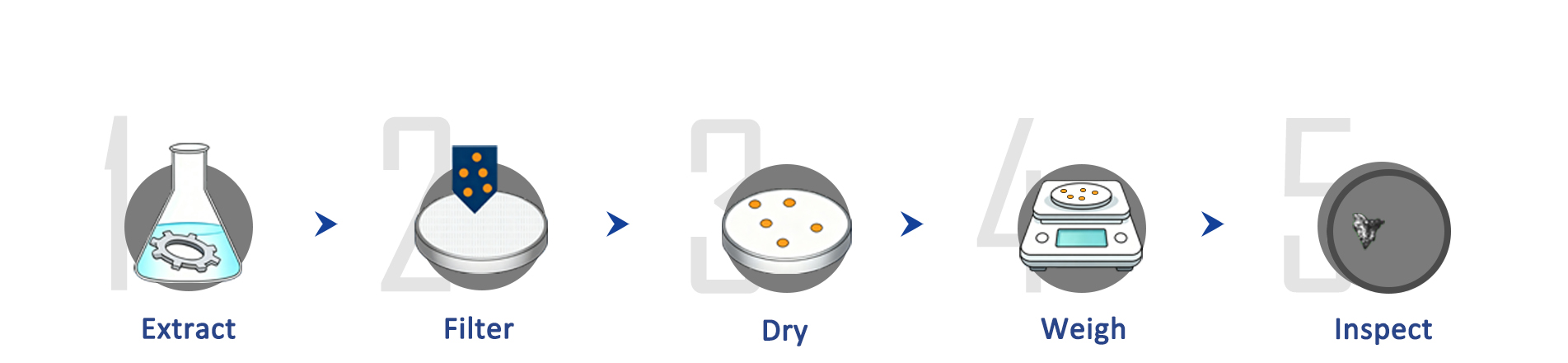




 IPv6 network supported