Technical Cleanliness Inspection VDA19.1 & ISO16232: Mitigate Contamination Risks for Electronic Components
Advancements in autonomous driving, in-vehicle communication and electric vehicles have raised stringent performance requirements for automotive electronic systems. Precision components are increasingly sensitive to micro particulate contamination, with particle-induced short-circuit risks growing exponentially. This has become a leading cause of component failure, vehicle recalls and critical safety incidents in intelligent vehicles.
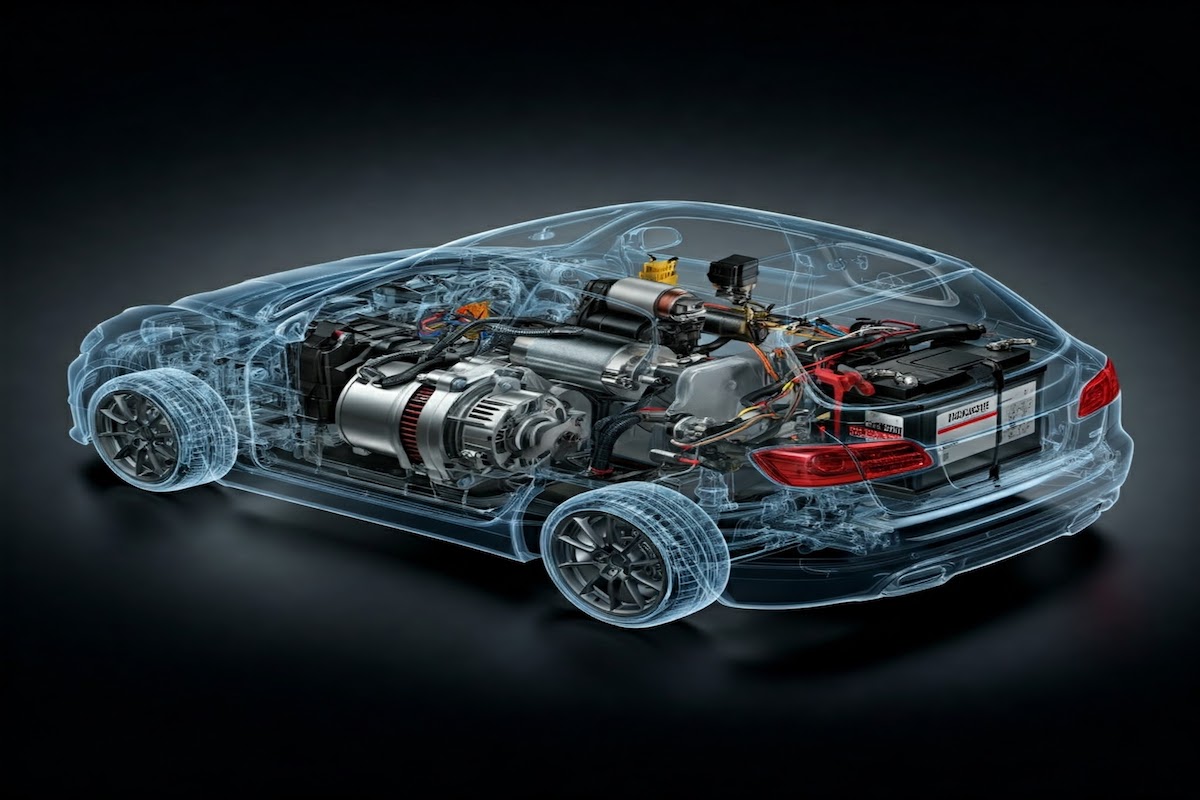
Modern intelligent vehicles integrate dozens of sensors and ECUs. Tiny internal contaminants pose severe safety threats. Conductive particles such as metal debris and welding residues can trigger short circuits, system malfunctions, battery degradation, thermal runaway and even fire or explosion. Non-conductive particles also cause sensor deviation and system misjudgment, potentially leading to traffic accidents and personal injury.
To control contamination failures, manufacturers adopt strict component cleanliness specifications. However, the absence of quantified failure thresholds results in overly harsh standards, bringing excessive labor and production costs, lower yield rates, and neglected optimization opportunities in product design and manufacturing.
VDA 19.1 and ISO 16232 are now the global authoritative benchmarks for automotive technical cleanliness. These complementary standards standardize particulate inspection workflows, balance safety and cost efficiency, and serve as mandatory compliance criteria for new energy and autonomous driving supply chain admission.
VDA standards regulates full-process particle extraction, membrane sampling, microscopic counting and contaminant tracing for automotive functional parts, providing graded control for micro particles and targeting high-voltage electronics, sensors and battery components.
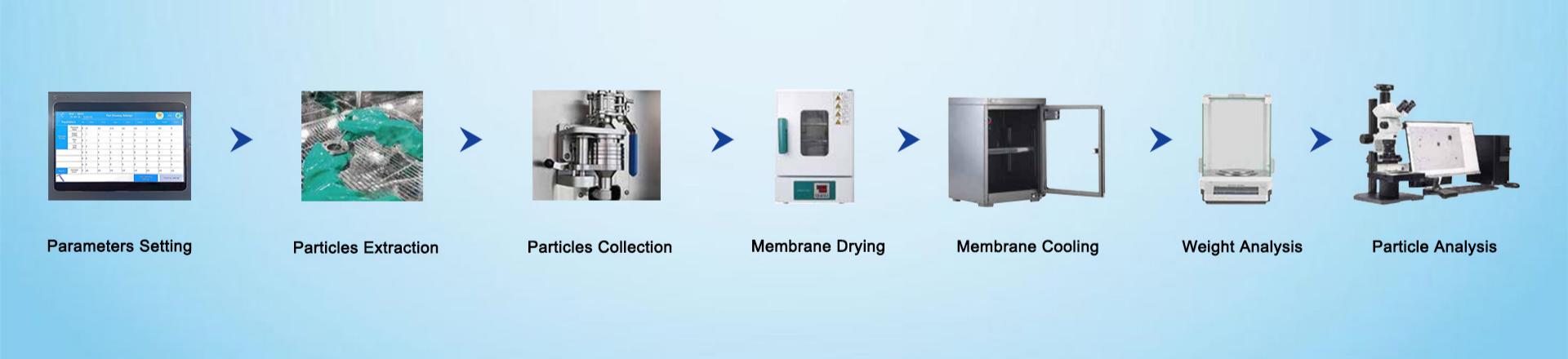
ISO 16232 unifies international rules for particle weighing, classification and data reporting, enabling cross-OEM data recognition and fully complying with IATF 16949 audit requirements.
By converting invisible contamination into quantifiable and traceable data, the two standards enable early cleanliness optimization at the design stage, effectively reducing electronic short-circuit risks and eliminating unnecessary high costs caused by blind over-specification.
As a professional cleanliness testing equipment manufacturer, we provide all-in-one VDA 19.1 & ISO 16232 compliant solutions for automotive PCBs, ECUs, battery terminals, radar sensors and wiring harnesses, covering full-process particle extraction, automatic analysis and contaminant source tracing.
Core Equipment Advantages
1. Full Standard Compliance
Multi-mode extraction (high-pressure flushing, ultrasonic and dry purging) strictly follows VDA 19.1 procedures. The enclosed clean cavity avoids external interference, ensuring repeatable, audit-ready test data recognized by major OEMs.
2. High-Precision Intelligent Detection
The automatic microscopic system identifies, counts and particles and distinguishes conductive and non-conductive contaminants. Optional SEM-EDX analysis traces metal and non-metal pollution sources to support process optimization.
3. Cost & Yield Optimization
Accurate threshold evaluation avoids excessive cleanliness requirements. Precise pollution identification reduces expenses on cleaning consumables, cleanroom maintenance and rework, balancing safety and production economy.
4. Full Lifecycle Technical Support
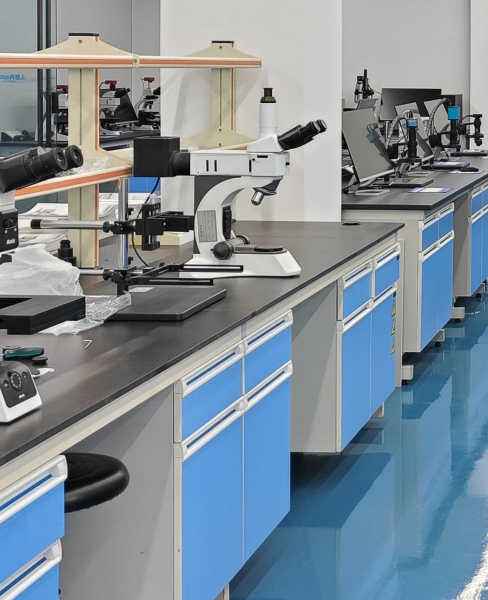
We offer standard training, laboratory layout consulting, failure analysis and report compliance guidance, helping suppliers pass OEM audits and qualify for high-end automotive supply chains.
As vehicle electrification and autonomous driving accelerate, technical cleanliness has become a core guarantee of vehicle reliability. Standardized management based on VDA 19.1 and ISO 16232, paired with professional testing equipment, achieves full-chain contamination control and prevents particle-induced short circuits, thermal runaway and sensor malfunction.
We will continuously upgrade cleanliness testing solutions for automotive high-voltage electronics and sensors, promoting global implementation of VDA 19.1 and ISO 16232 standards and supporting automotive manufacturers with reliable, cost-effective quality control.

 English
 Français
 Русский
 Español
 Português
 عربي
عربي Get A Quote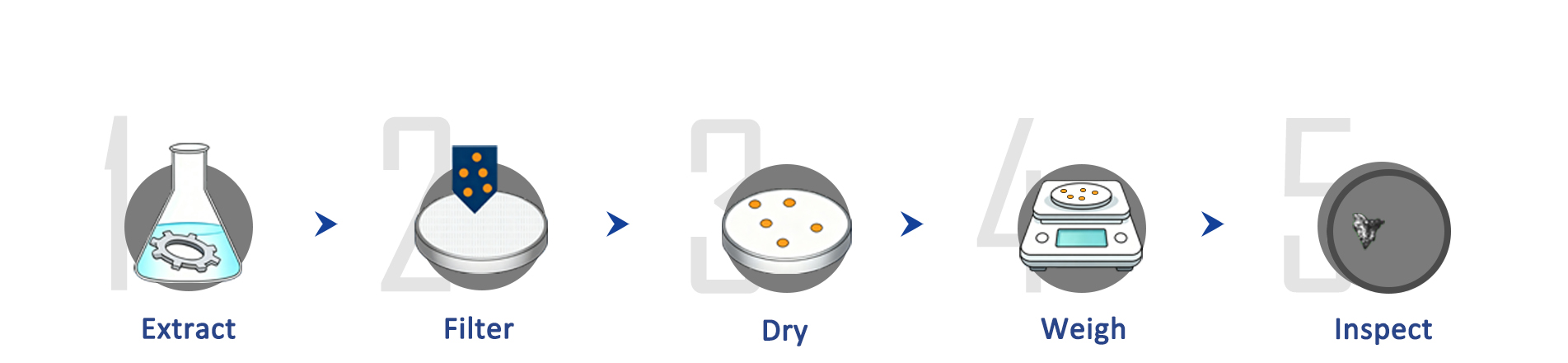




 IPv6 network supported